I'm a designer, researcher, and strategist fascinated by how individuals navigate the complex technological, institutional, and ecological systems they find themselves immersed within. My work helps organizations better understand the people they serve and align around actionable paths forward in the face of ambiguity. Welcome to my portfolio site!
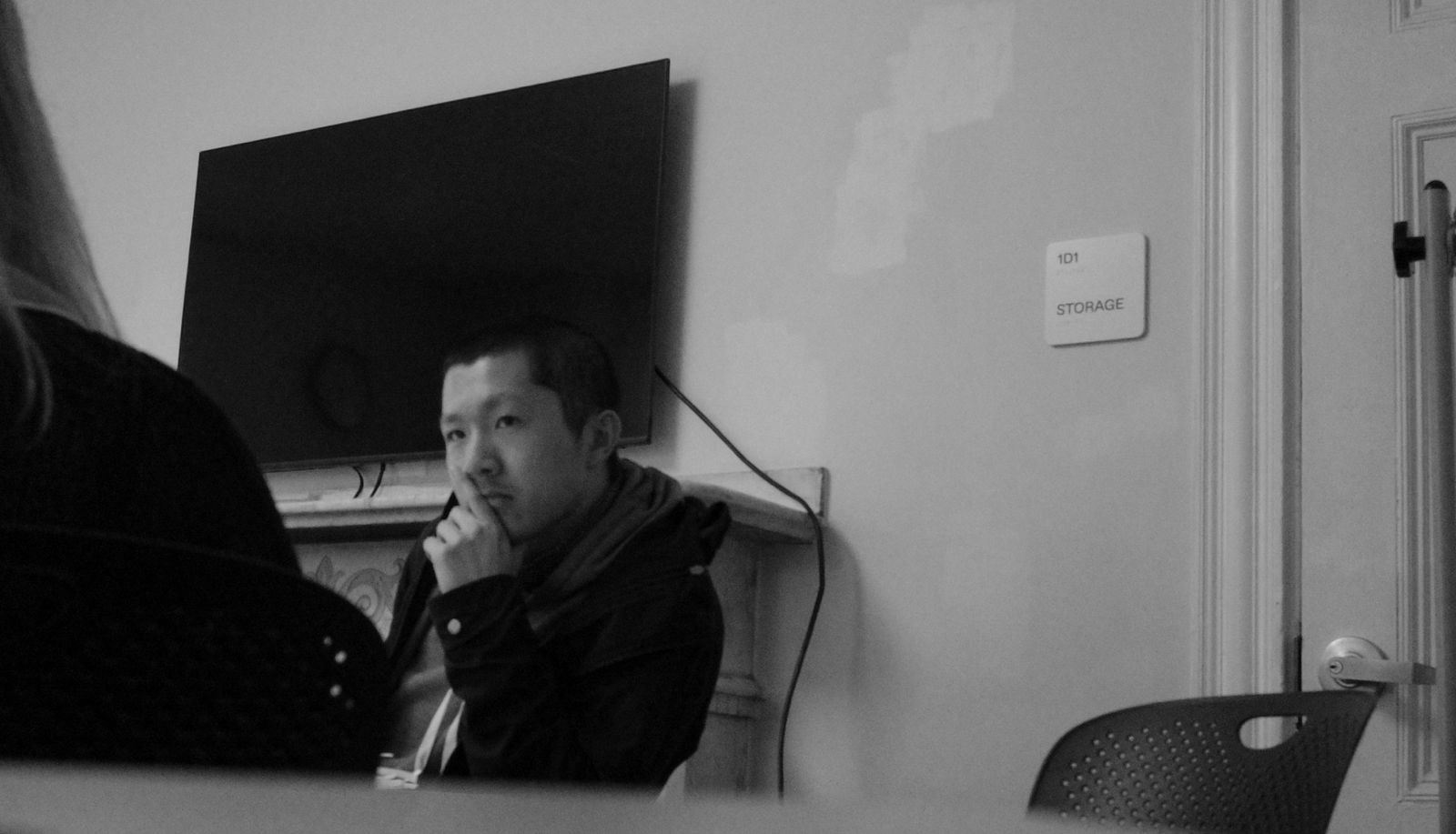
I'm currently a Senior Service Designer at the University of Alberta (2025–present), where I help organizational transformation initiatives balance student, employee, and institutional needs, and I also do freelance research for nonprofits on the side. Previously, I was a service designer in the Government of Canada (2021–2023). I've held a Bloomberg Harvard Summer Fellowship, a Teaching Fellowship at Harvard College, several research assistantships, and many student support roles.
I hold a Master in Design Studies (Ecologies) from Harvard University (2025) and a Bachelor of Design with Distinction in Industrial Design from OCAD University (2020). At Harvard, I was awarded competitive research grants from the Mittal Institute for South Asian Studies and the Salata Institute for Climate and Sustainability for my capstone fieldwork on Nepal's ecotourism industry, as well as the Unsung Hero Prize for my pragmatic work to improve students' access to school resources. At OCAD, I received two merit scholarships and completed an exchange semester to Designskolen Kolding in Denmark.
Outside of work, you'll find me writing creative non-fiction, playing in community orchestras, going down rabbit holes on Wikipedia, and taking photos around the world. Though I'm currently based in Canada, my design and research projects have taken me to Nepal, Japan, Denmark, Morocco, and five US states—and I've visited another seventeen countries along the way!
HIGHLIGHTED PROJECTS
(Samples of confidential professional work are available upon request.)
The Mountain-Mundane: Everyday archives of ecological change
and future visions for ecotourism in Nepal (2025, MDes thesis)
and future visions for ecotourism in Nepal (2025, MDes thesis)
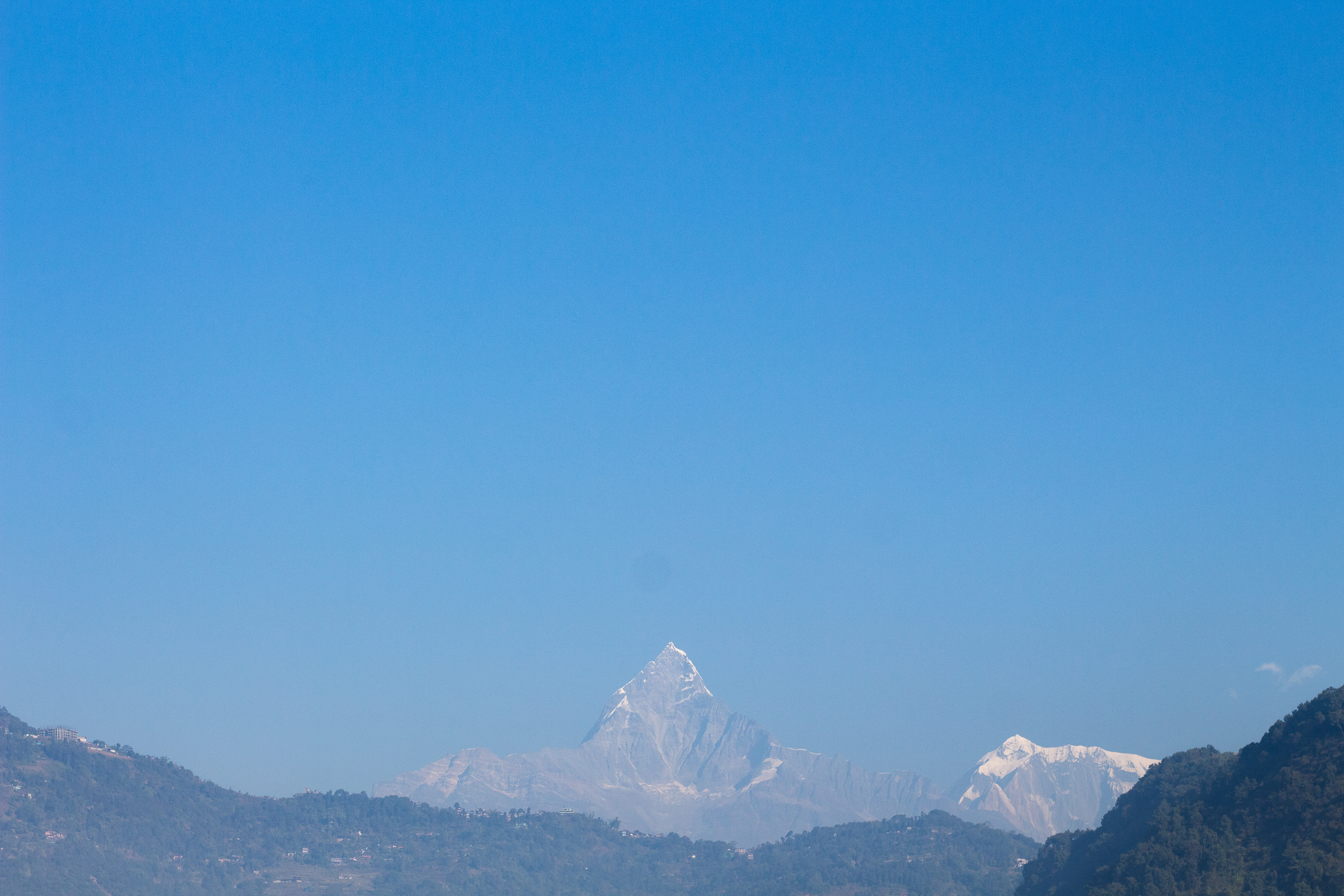
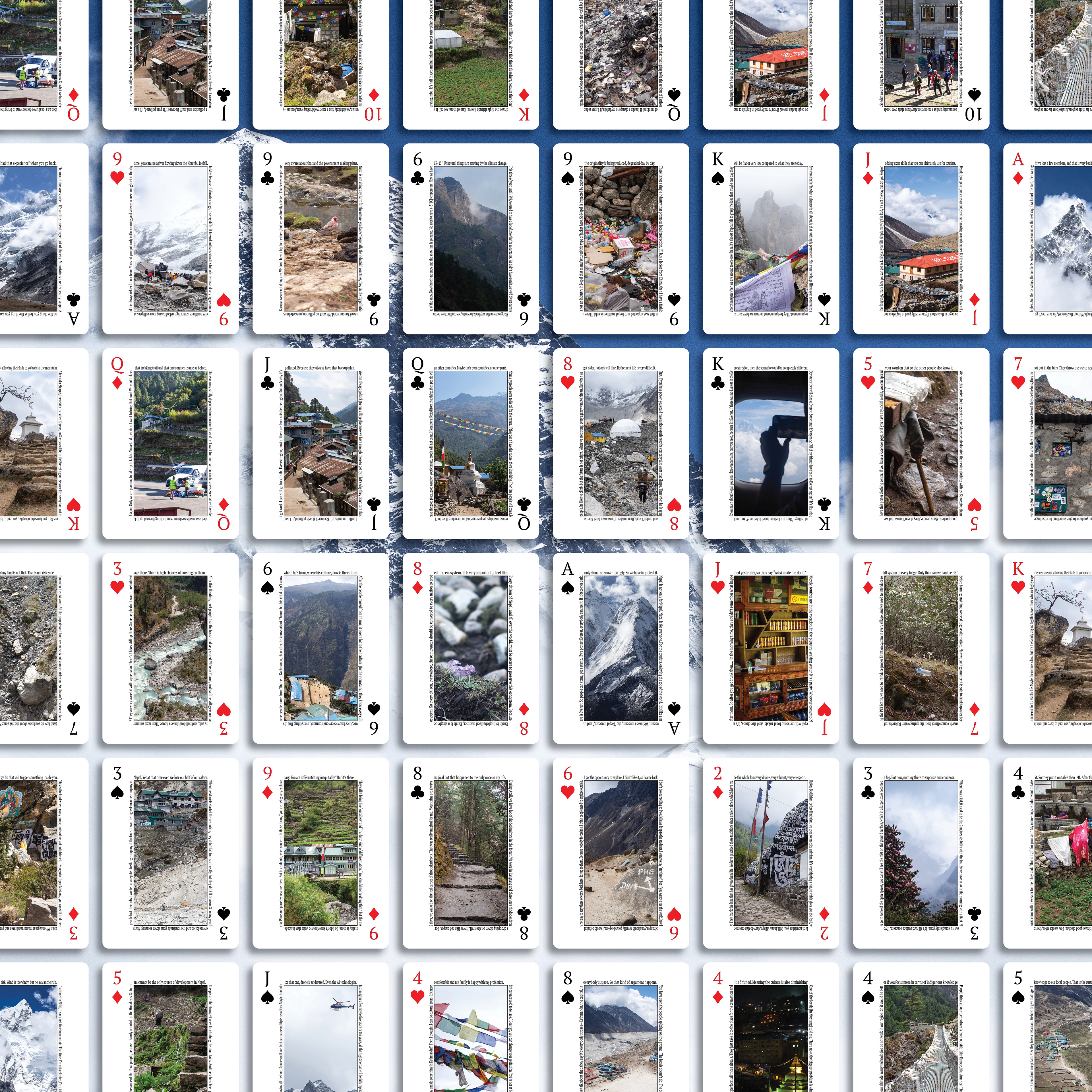
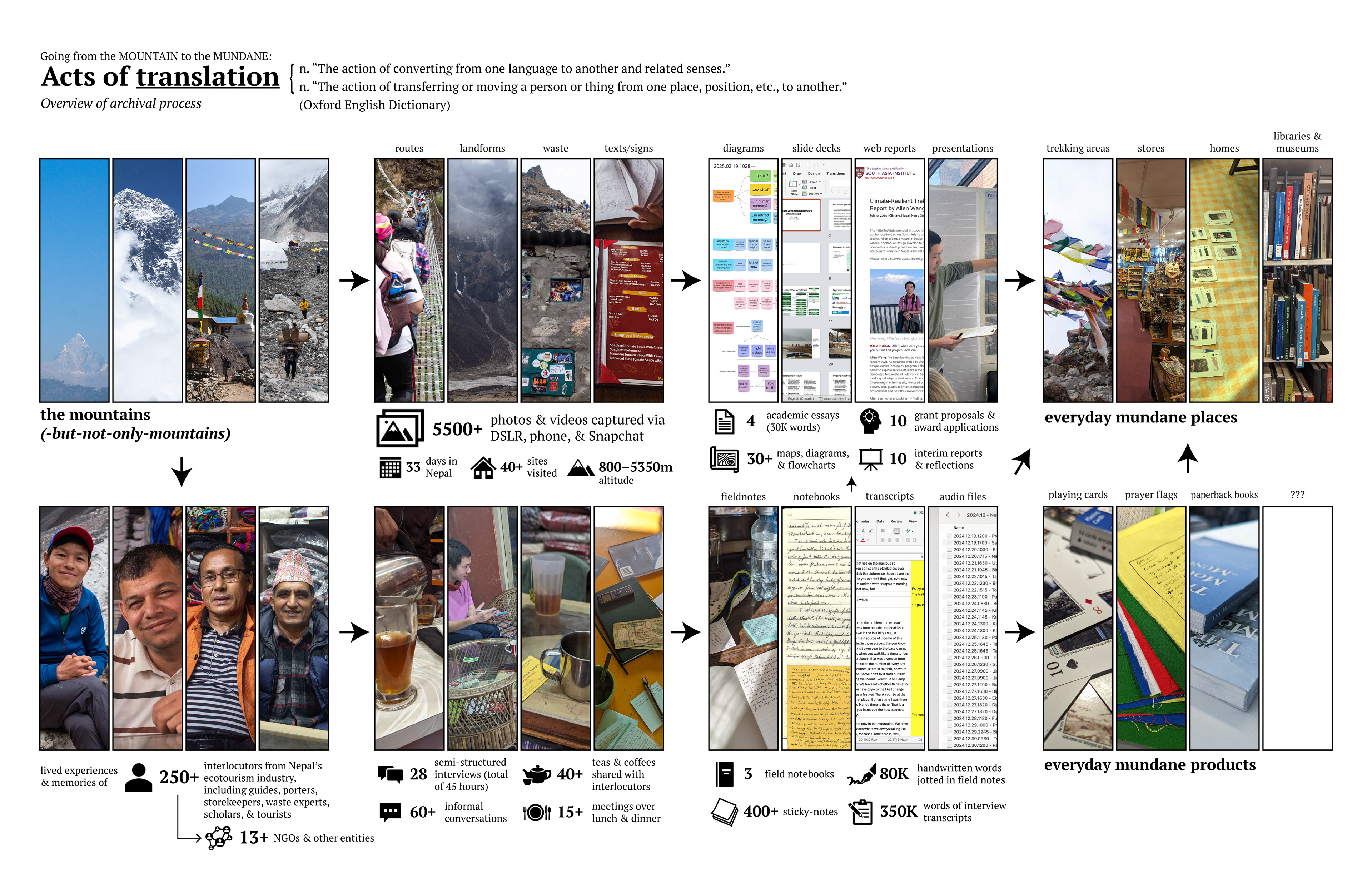
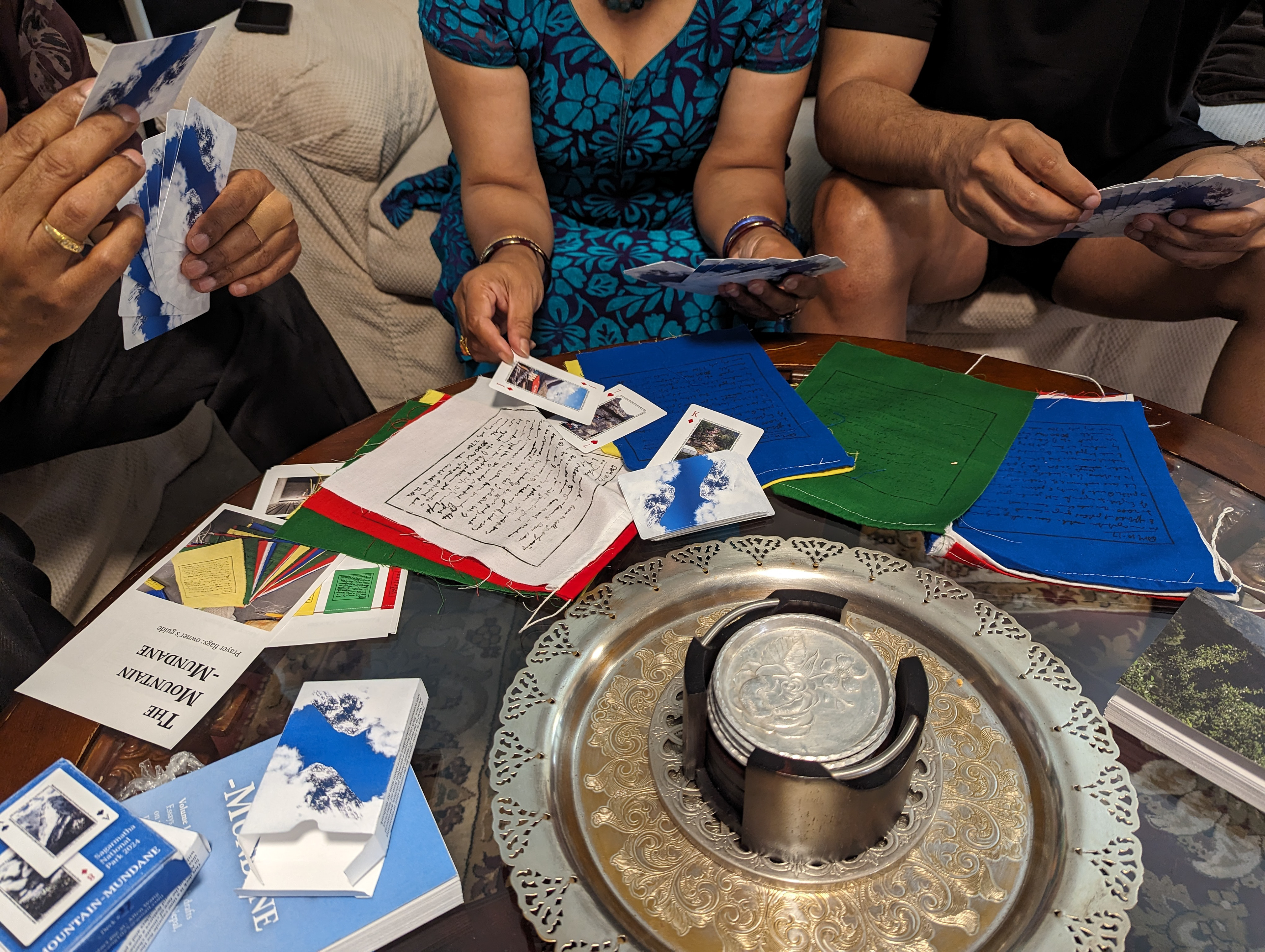
Mountain landscapes carry stories of people and their relationships with the changing environment. Drawing on five weeks of fieldwork with Nepal's ecotourism service-providers, I created everyday “time capsules” (playing cards, prayer flags, and paperback books) that document ecological change in the Himalaya and make it familiar to tourists. Through foresight, this project explores how ecotourism might move beyond environmental extraction and realize its potential to become a form of advocacy in an increasingly climate-precarious world.
An AI-enabled digital transformation roadmap
for the City of Newport News (2024)
for the City of Newport News (2024)
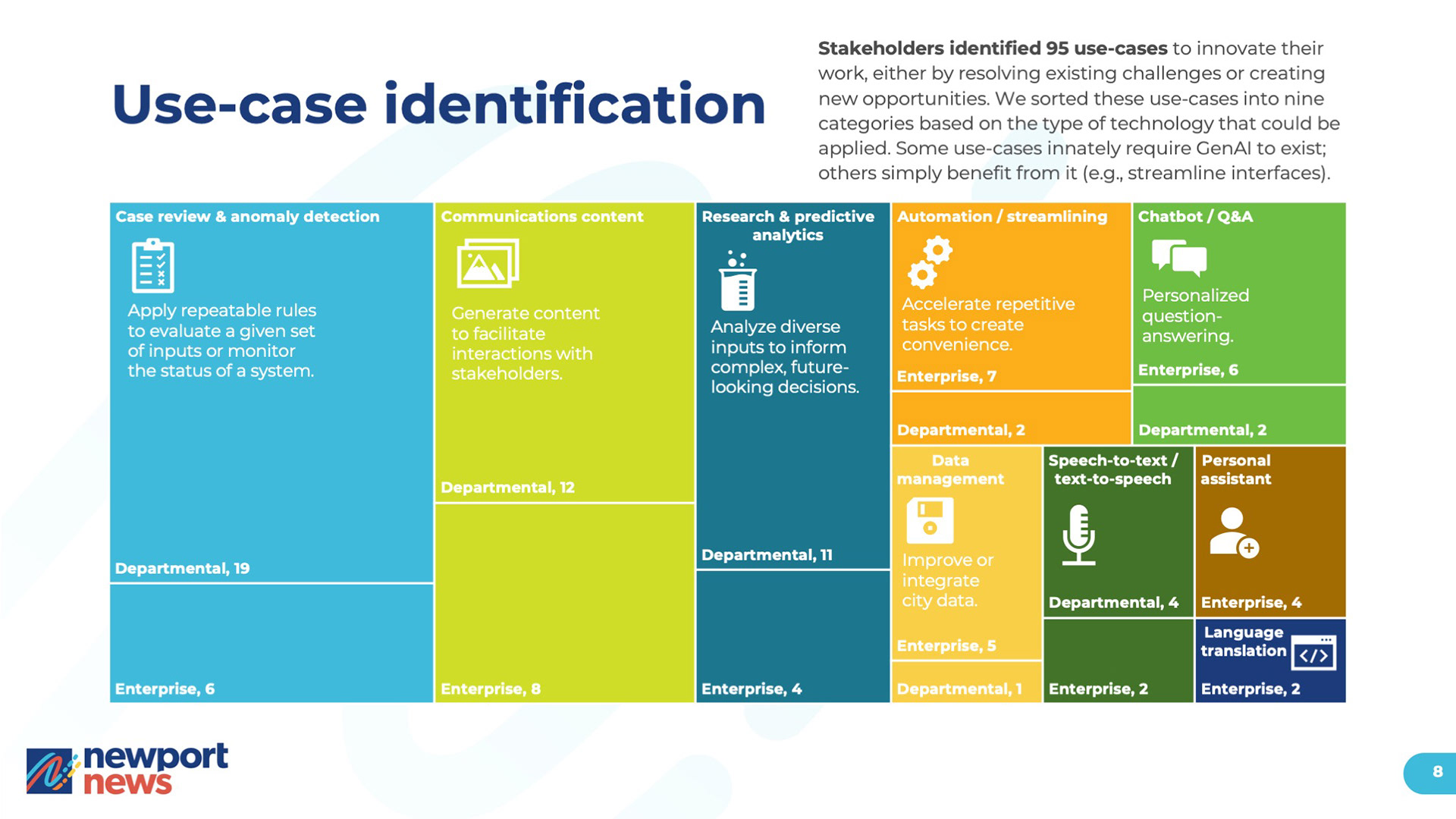
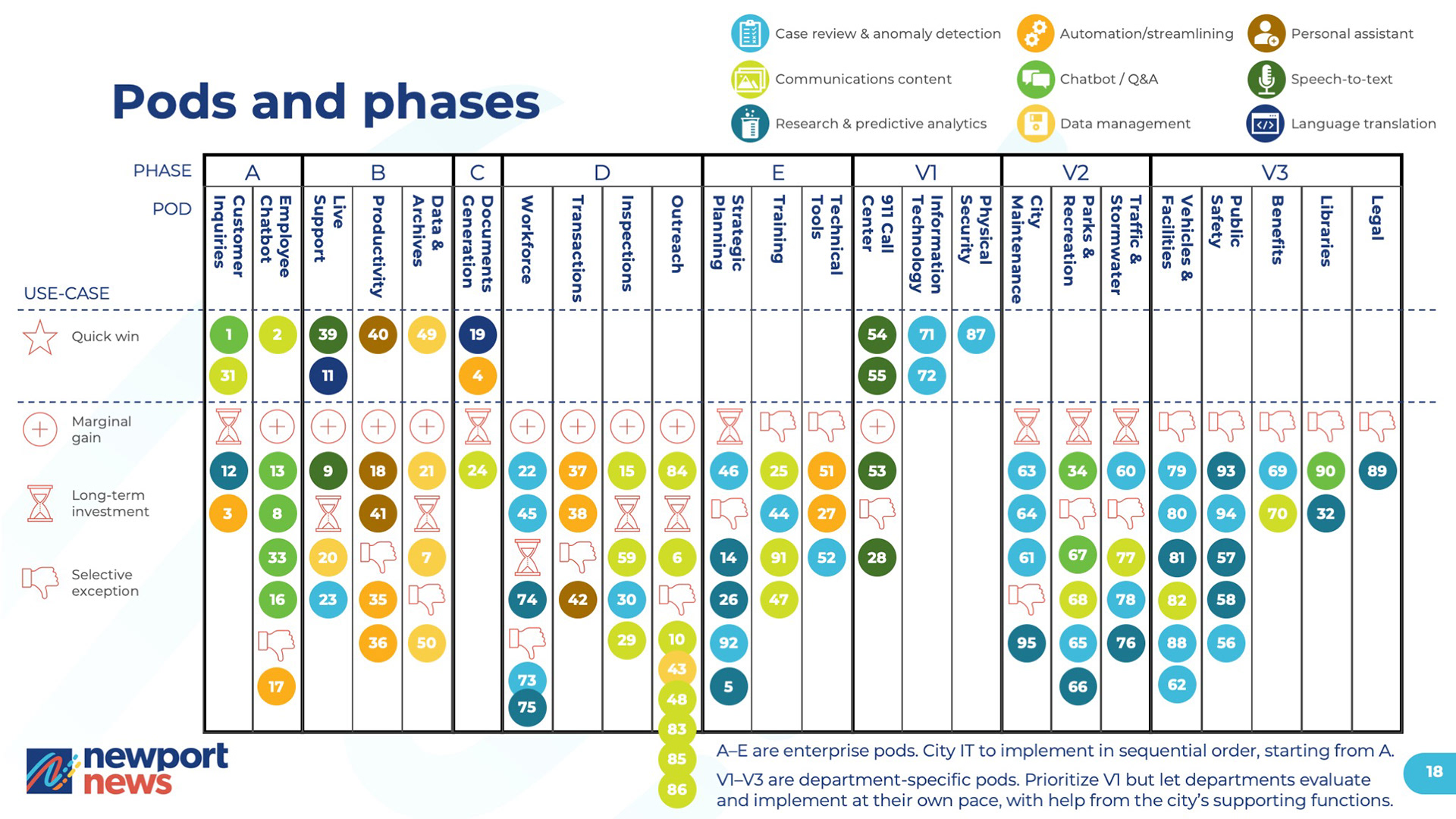
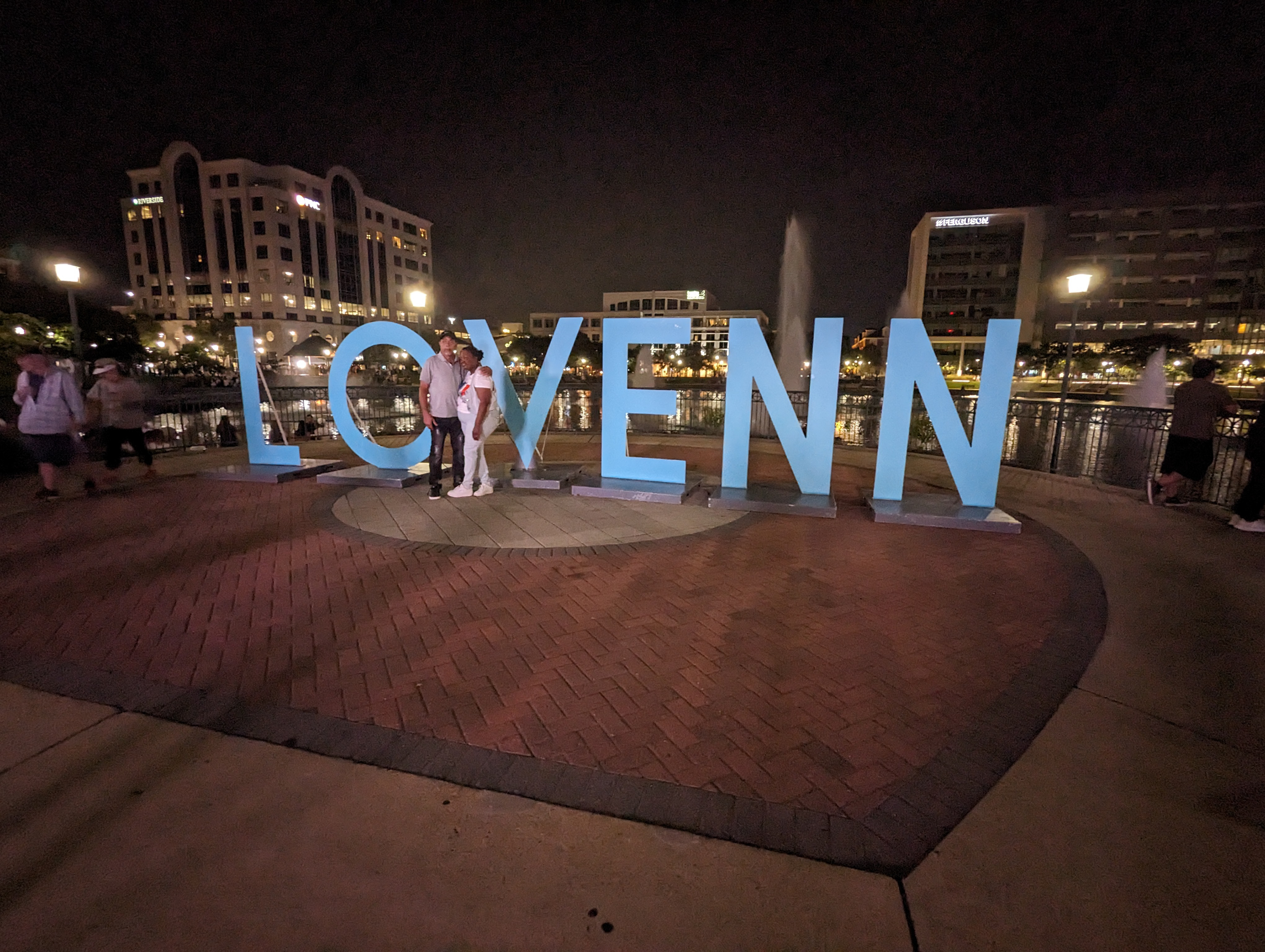
How should a city decide where AI can meaningfully enhance its services? As the Bloomberg Harvard Summer Fellow supporting the mayor's digital innovation agenda, I engaged 86 city staff across departments through interviews and site observations to identify 95 potential applications of AI. To build alignment on my recommendations, I developed a prioritization methodology informed by industry frameworks and input from city executives to help leaders evaluate opportunities based on organizational risk, technical readiness, and public value.
Coastal resilience in the Rockaways: a public space proposal
and speculative spatial strategy (2024)
and speculative spatial strategy (2024)
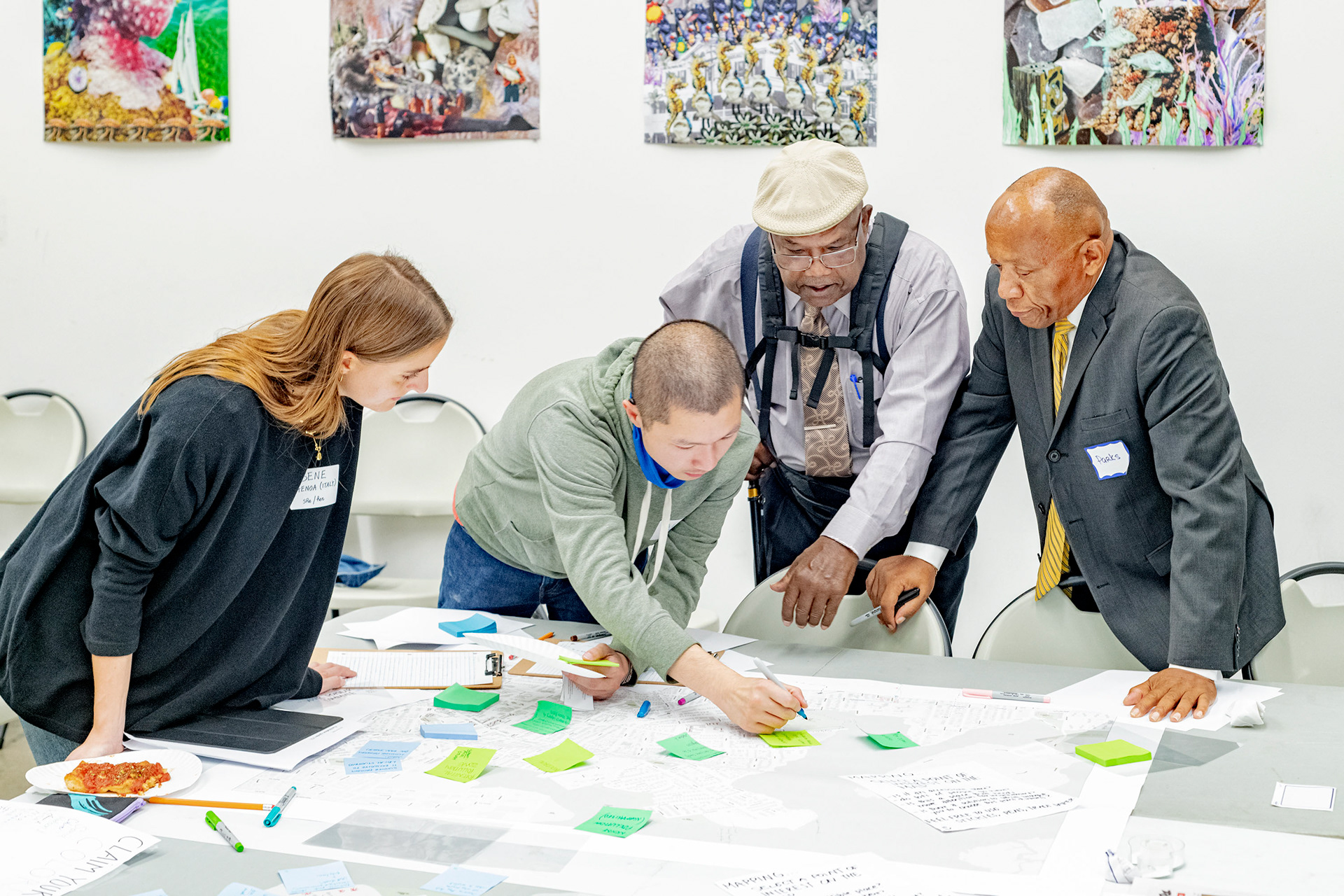
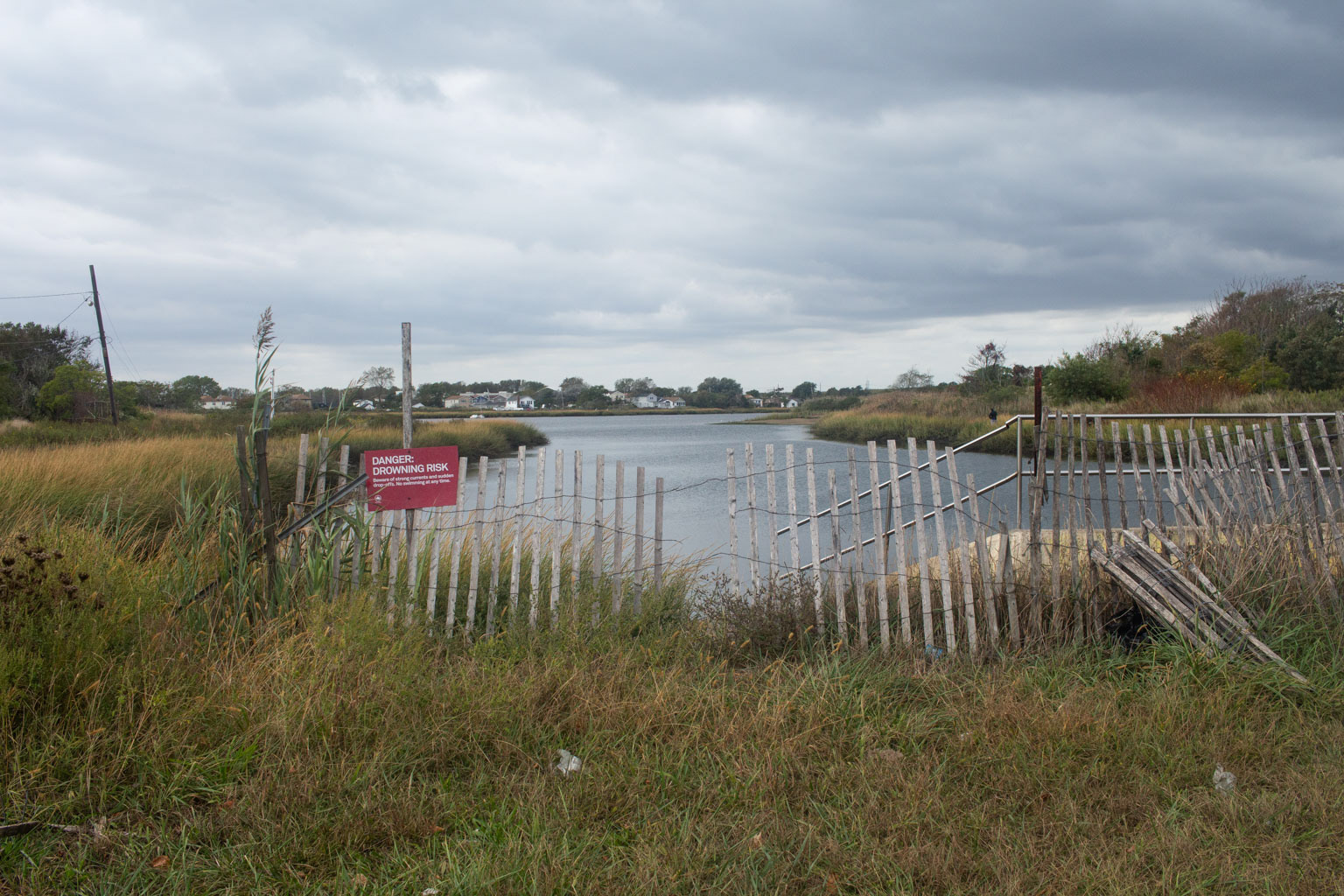
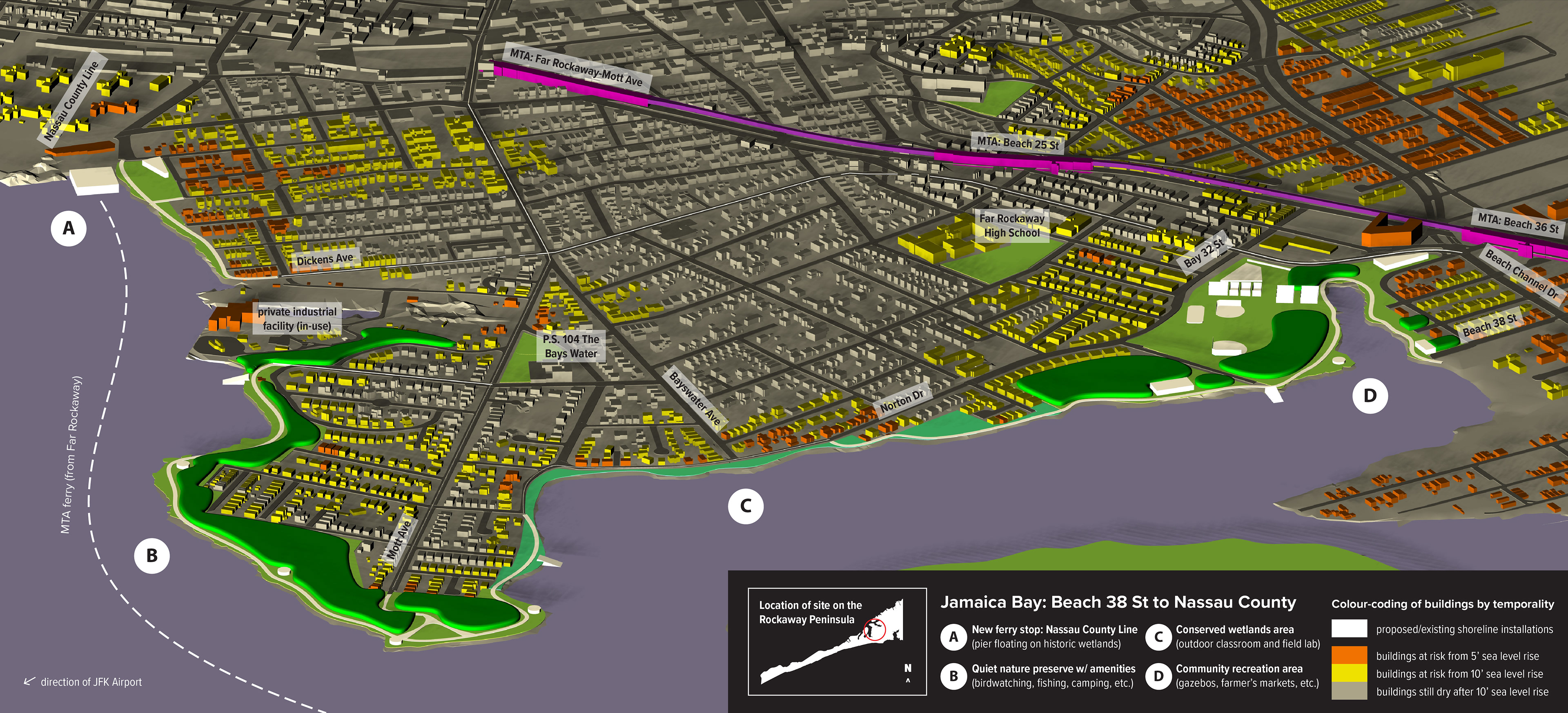
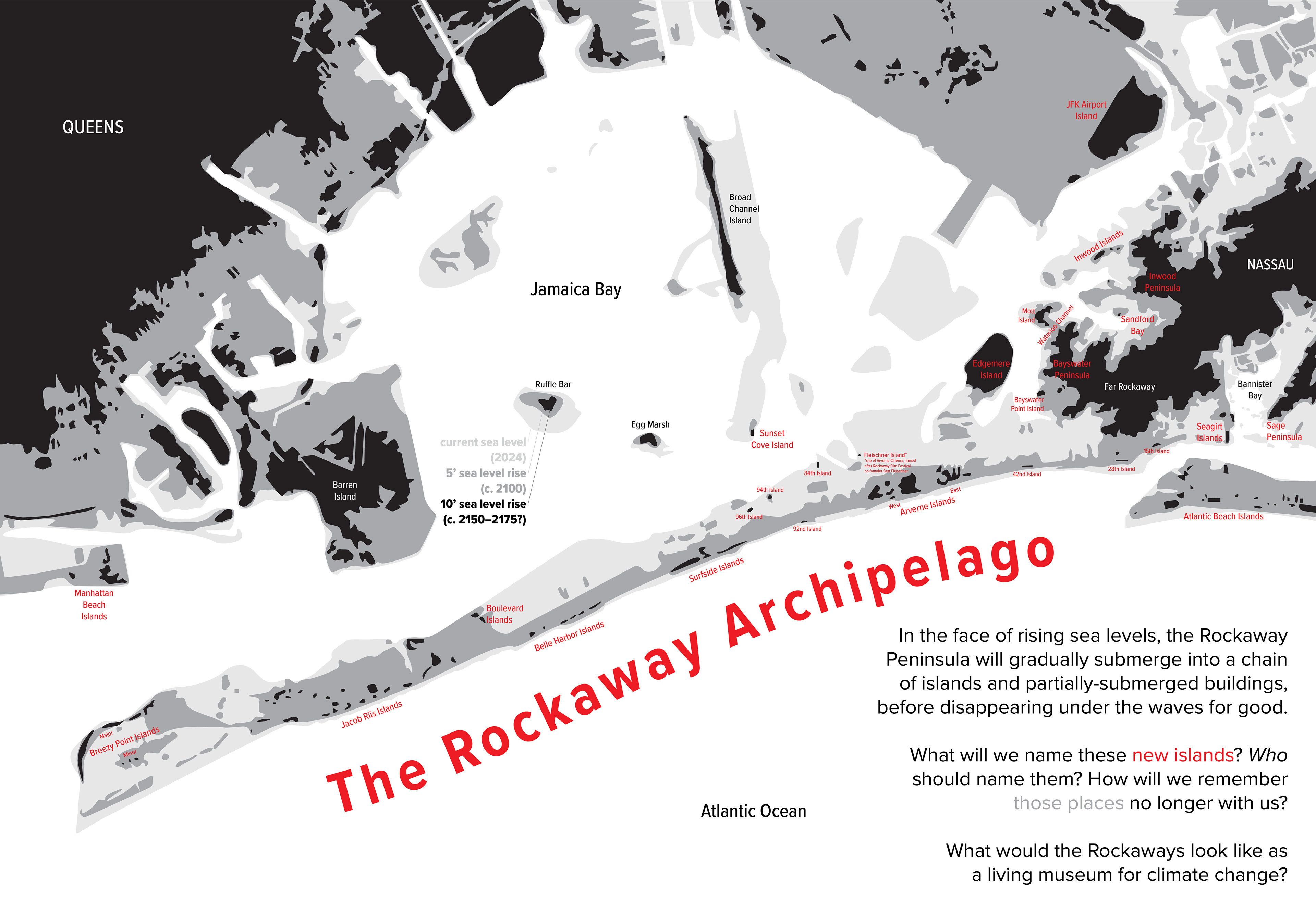
Through community engagement, landscape fieldwork, and geospatial analysis, I developed a near- and long-term vision for the Rockaway Peninsula in New York City. In response to coastal vulnerability and gentrification, I proposed mobility corridors and public programming to strengthen local connections to the waterfront as a site of recreation, education, and conservation. Looking ahead to a future in which sea-level rise transforms the Rockaway Peninsula into the Rockaway Archipelago over the next hundred years, a speculative "constitution" celebrates the emergence and submergence of islands and social orders.
Enhancing waiting-room experiences
at Kolding Hospital, Denmark (2019)
at Kolding Hospital, Denmark (2019)
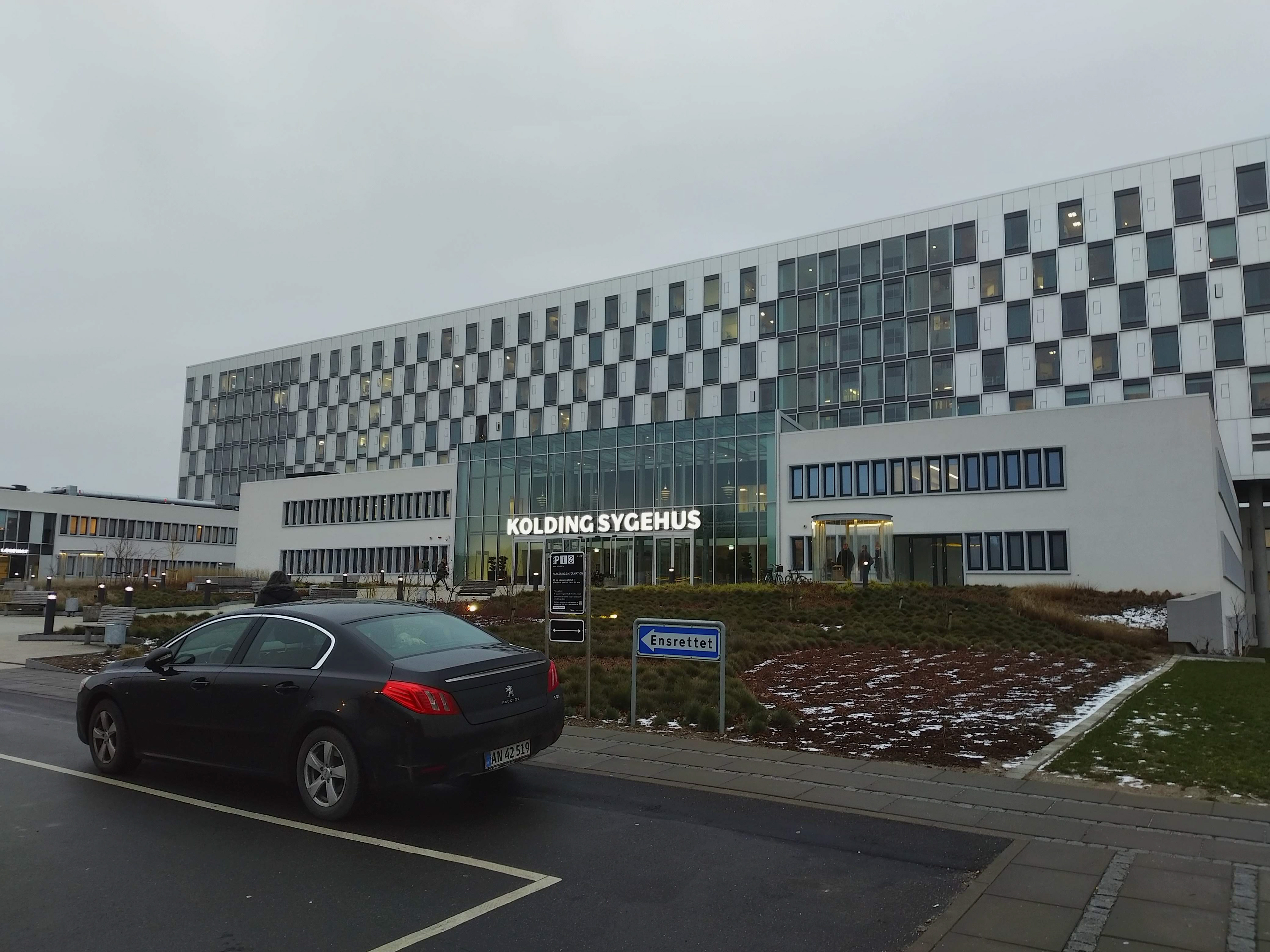
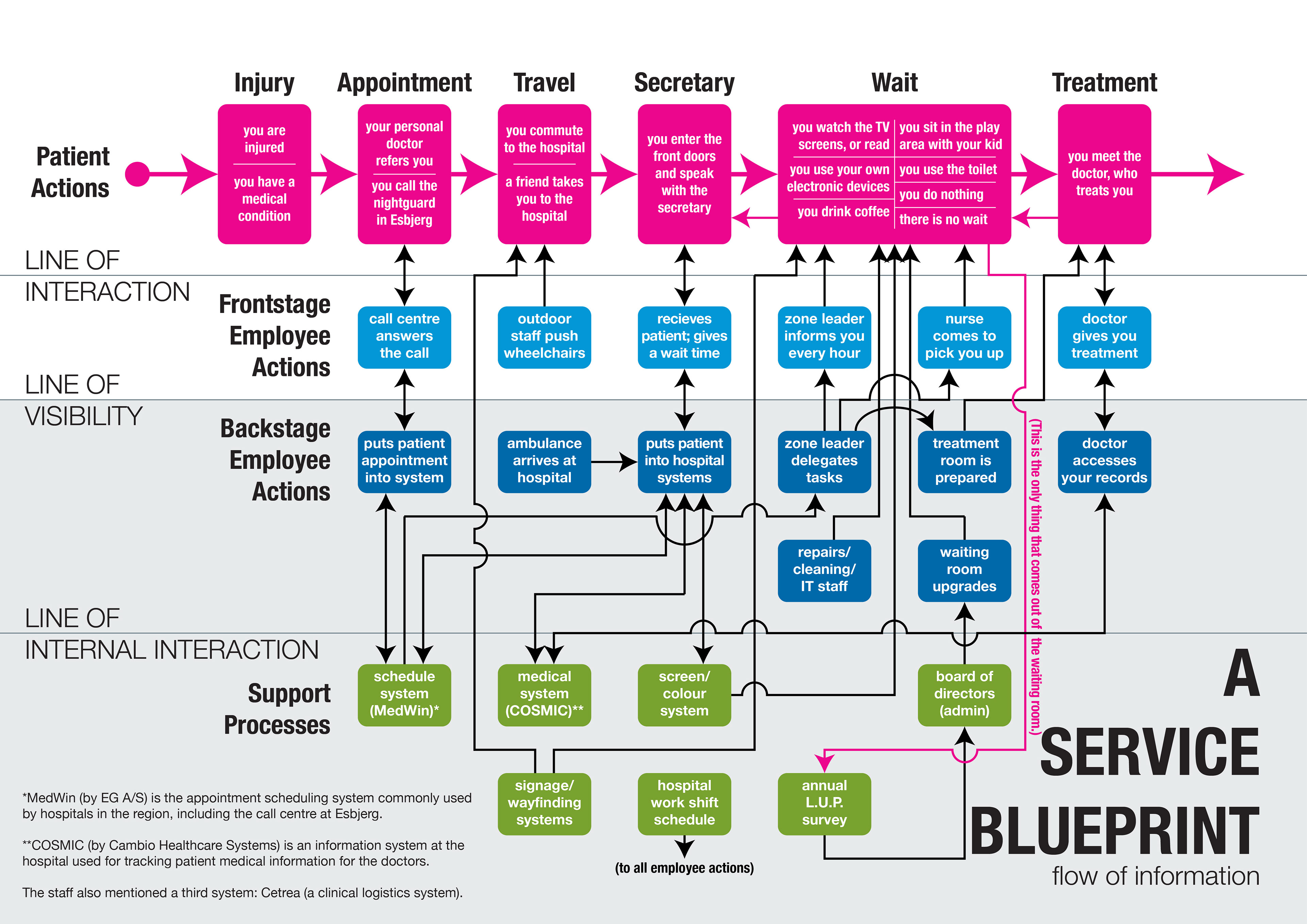
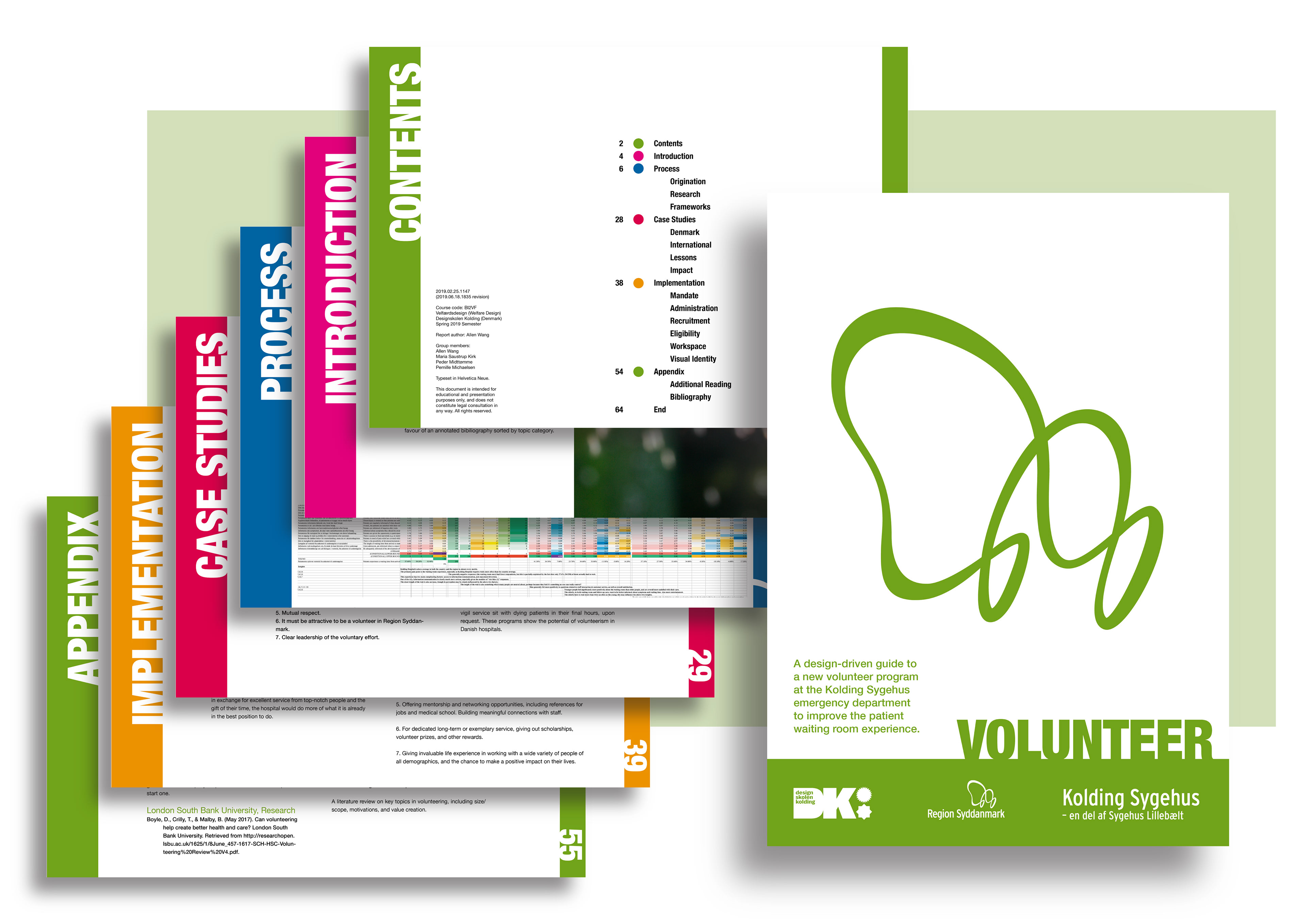
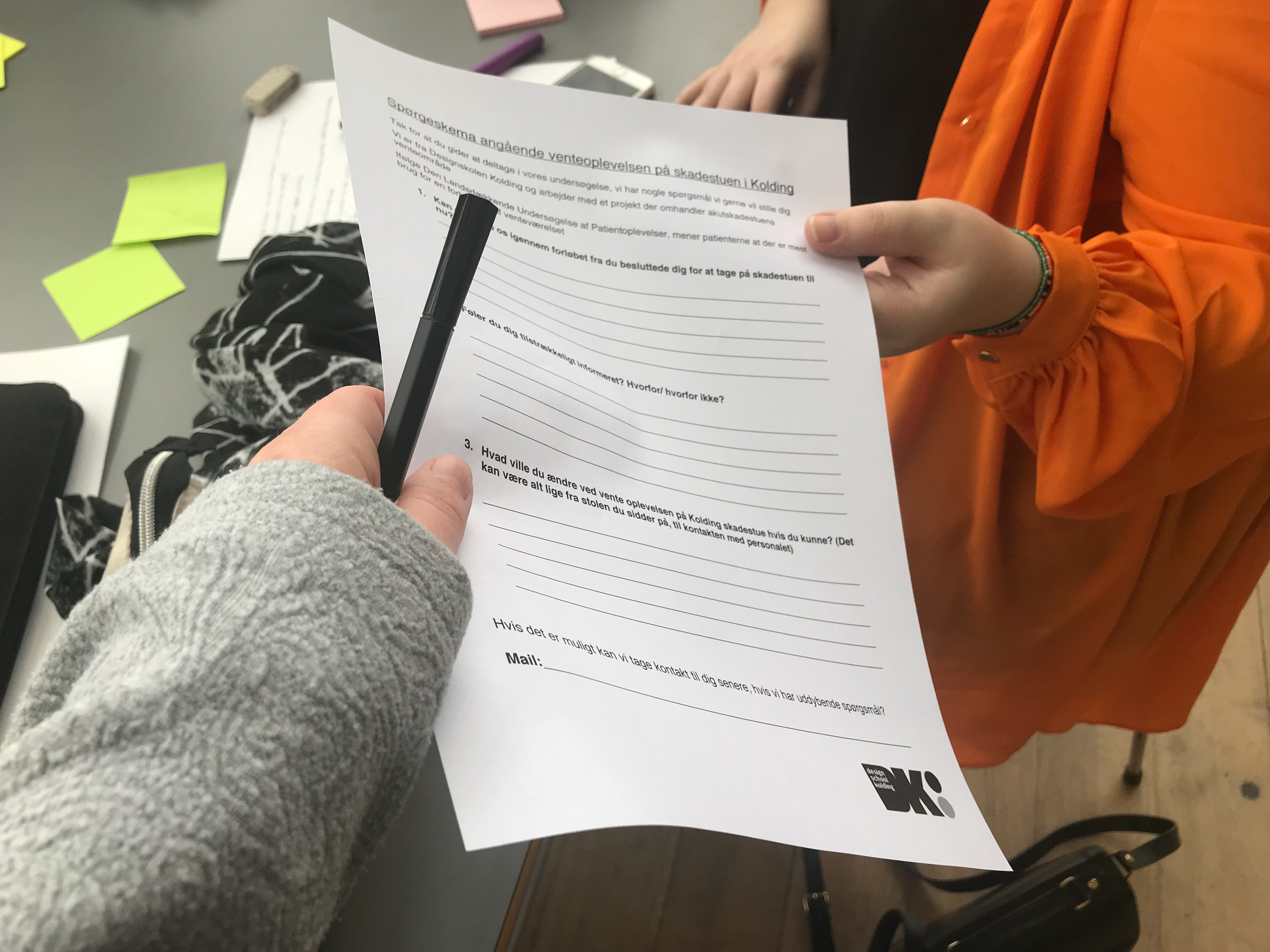
During my exchange semester to Denmark, the head of the local emergency department challenged us to their waiting-room experience. Through patient surveys, staff interviews, and site observation, we identified breakdowns in the flow of information between staff and users that led to a perceived lack of care. To strengthen these relationships in both passive and interactive ways, we proposed three solutions: a communications handbook for staff, a redesigned waiting room environment, and a volunteering program for non-medical support.
Statistics Canada: Helping users choose between
greenhouse gas emissions datasets (2021)
greenhouse gas emissions datasets (2021)
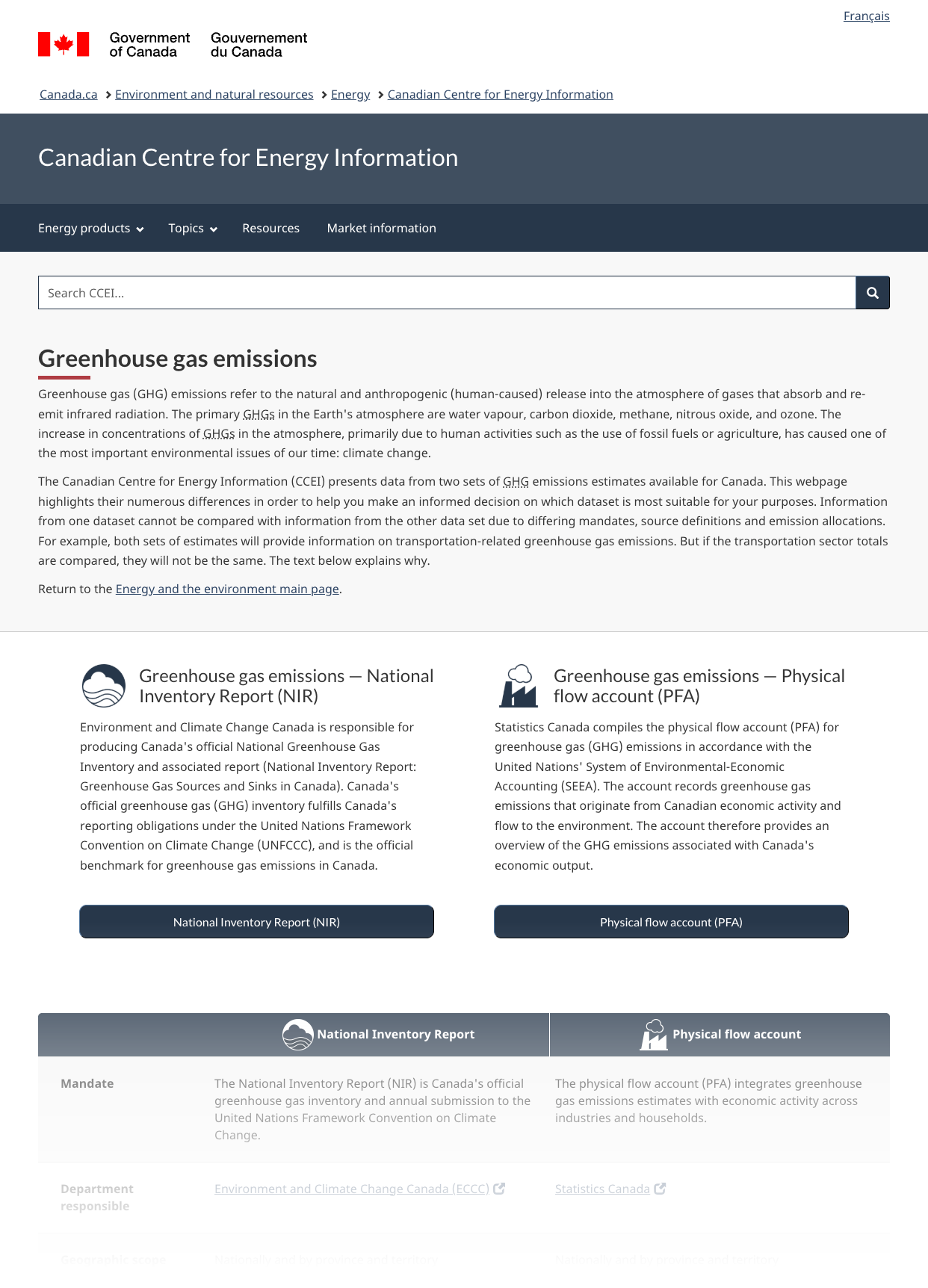
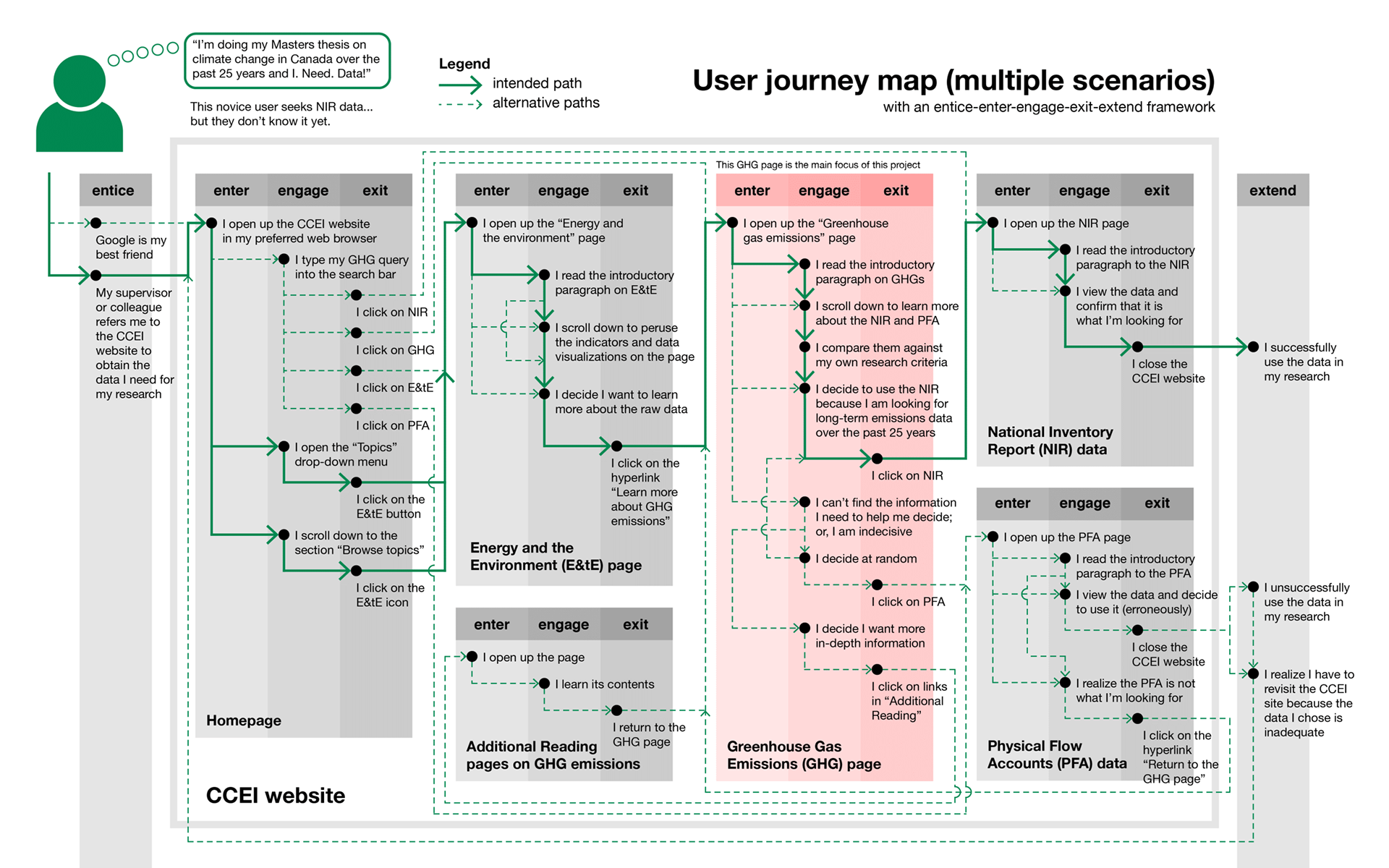
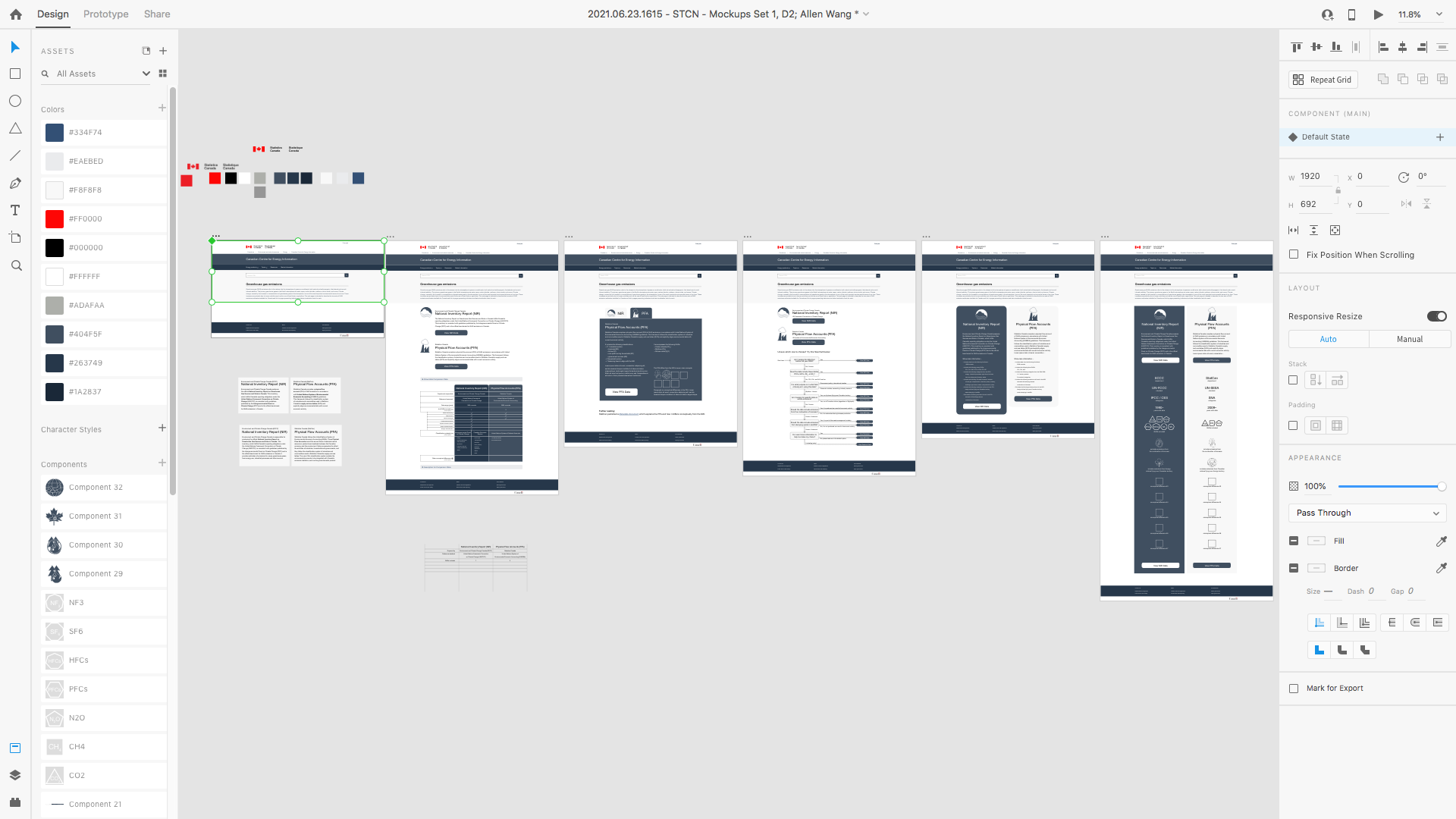
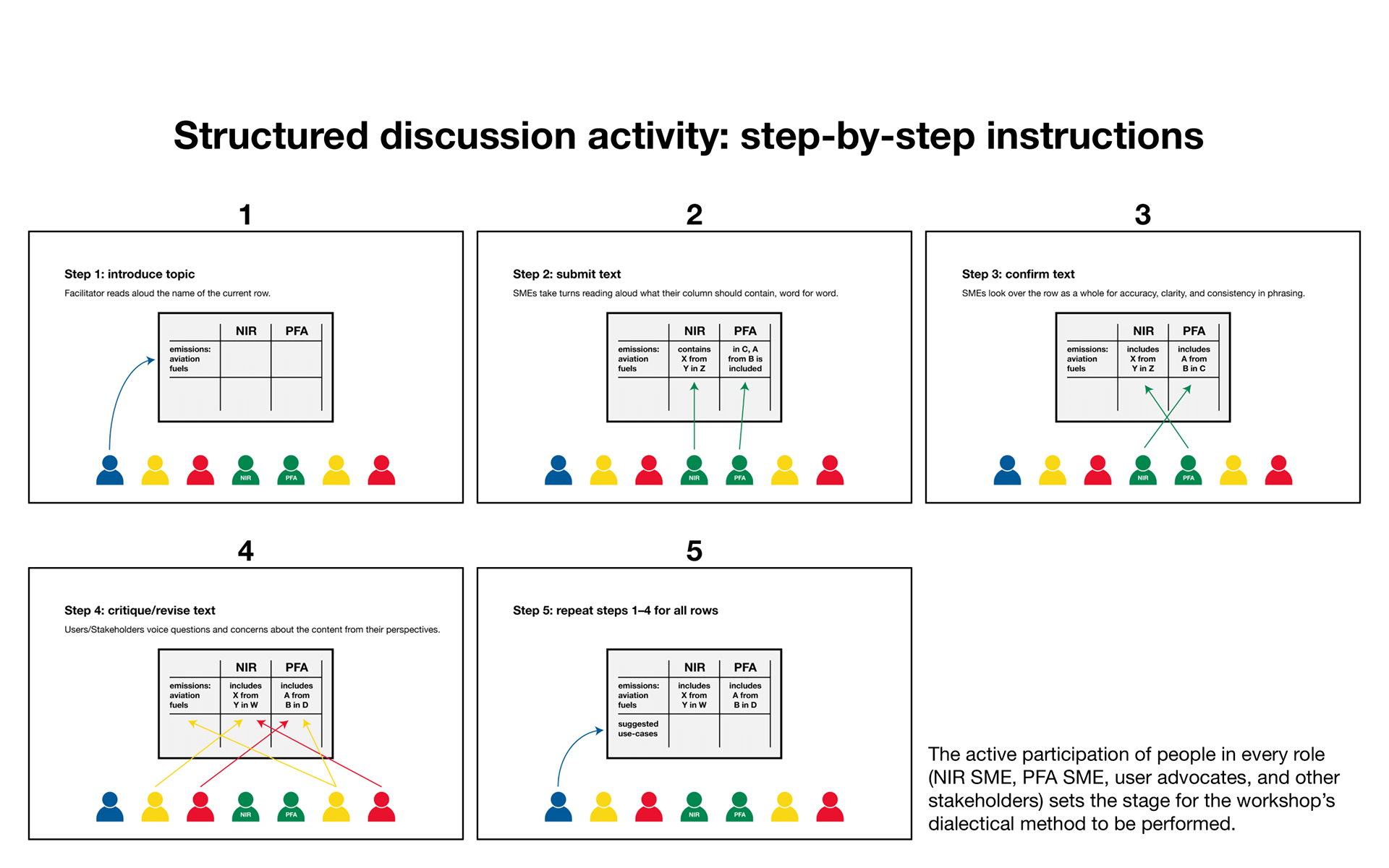
To help non-expert users make informed choices between datasets, Statistics Canada's Canadian Centre for Energy Information (CCEI) hired me to design web interfaces for disambiguation pages. Facing interdepartmental resistance from subject-matter experts around the accurate representation of their data products, I pivoted from a UX approach to participatory content strategy, designing and facilitating a series of interdepartmental content development workshops to co-create the final webpage.
Mapping underserved communities to inform
nonprofit program allocation (2021)
nonprofit program allocation (2021)
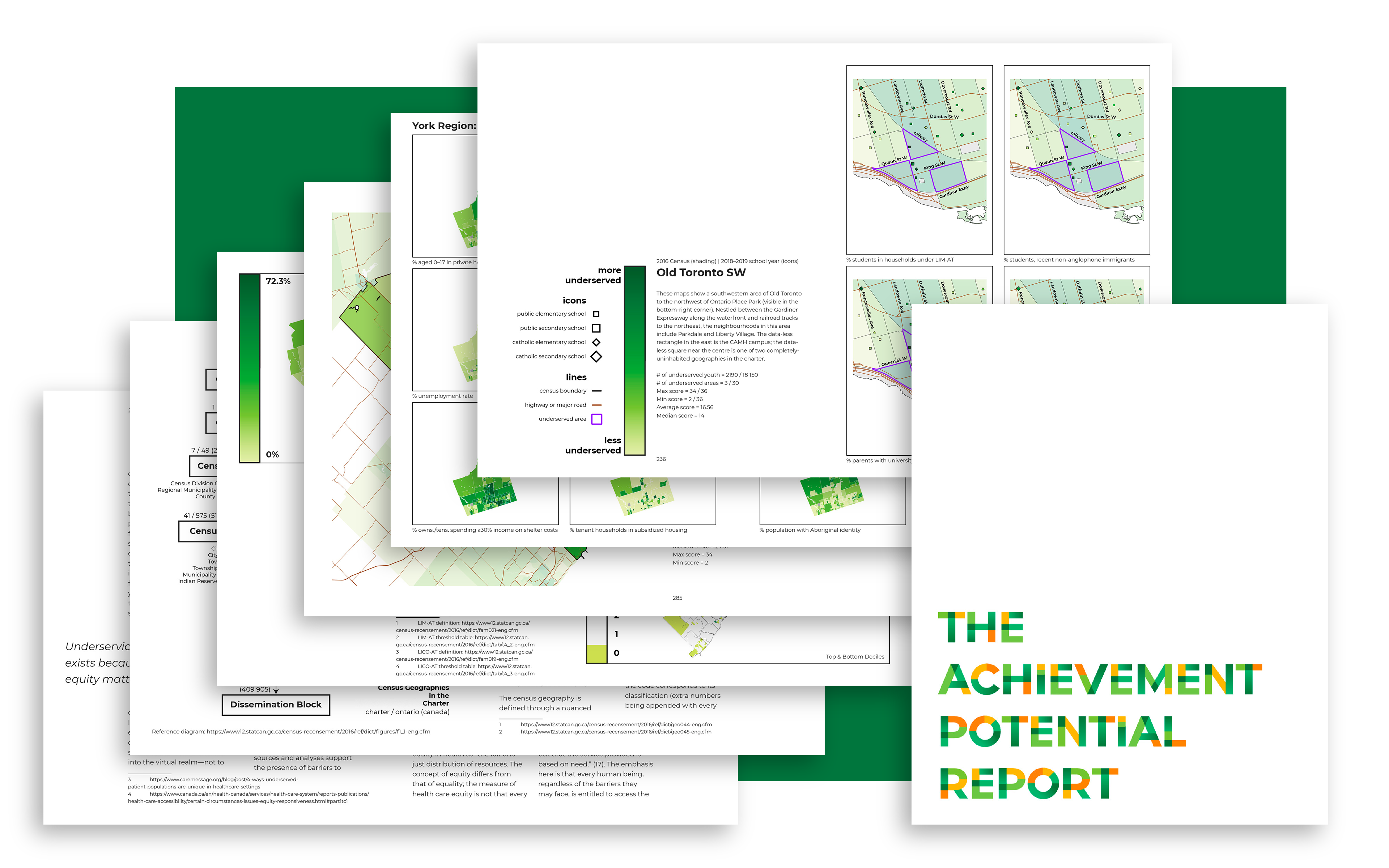
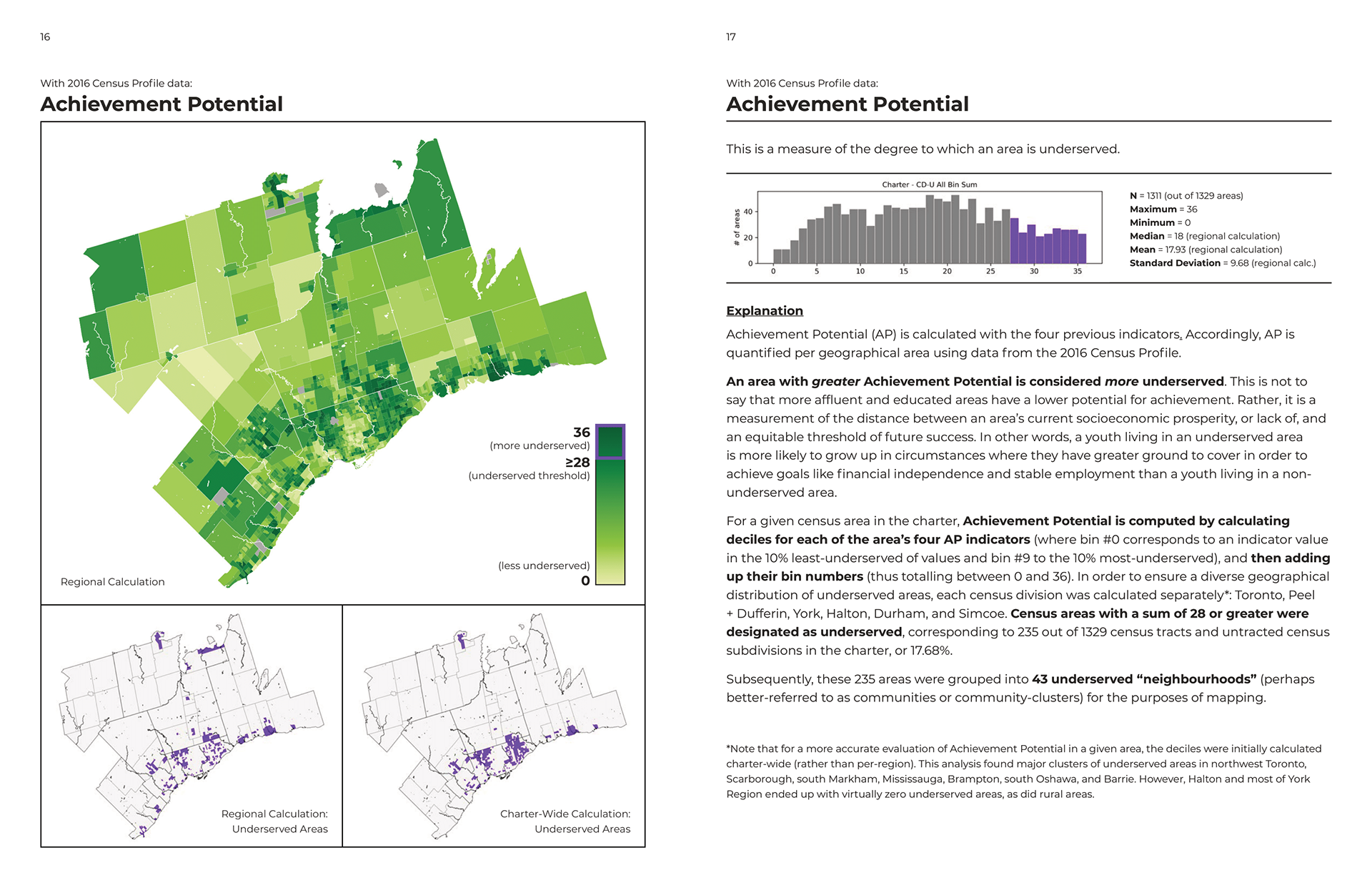
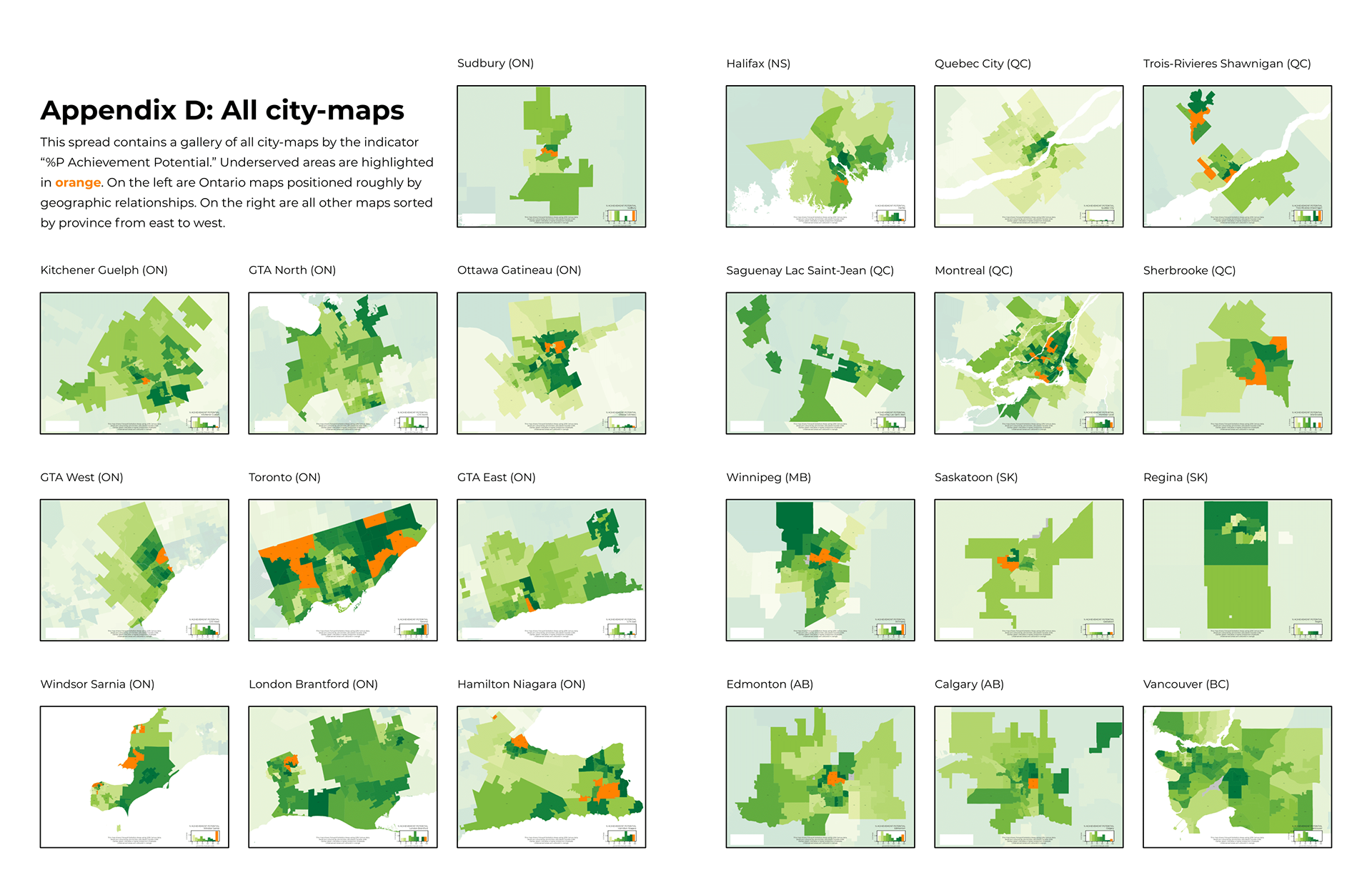
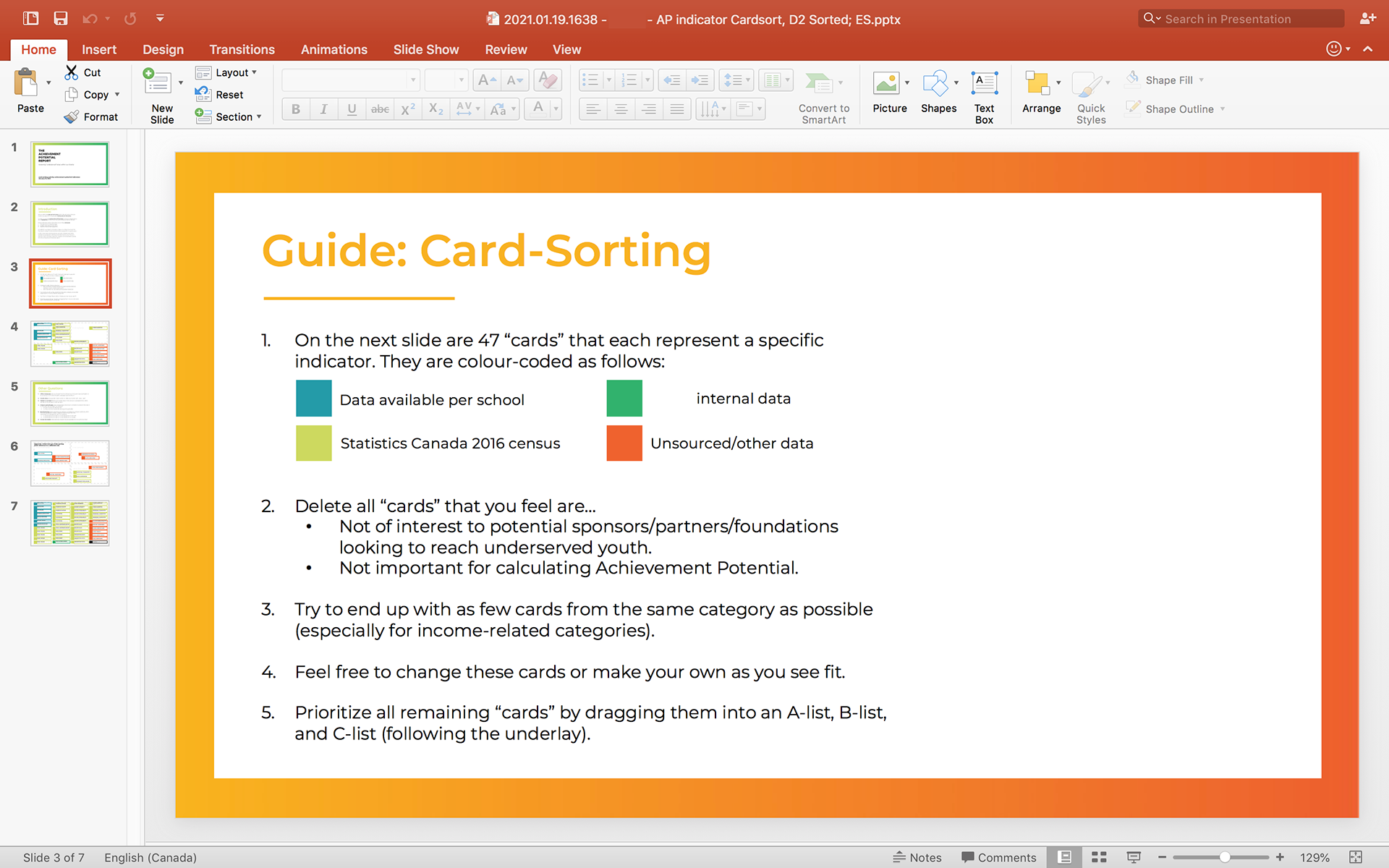
To inform resource allocation and enable donor reporting on impacts for underserved populations, I developed a methodology for quantifying "underserved" with reference to a literature review, the nonprofit's theory of change, and the available data. Then, I taught myself Python to build custom programs to analyze and visualize these underserved areas. The success of the initial project has led to five years (and counting!) of continued contracts.
A Corporeal Instrumentality Project: Rethinking space and time
through the human body (2020, BDes thesis)
through the human body (2020, BDes thesis)
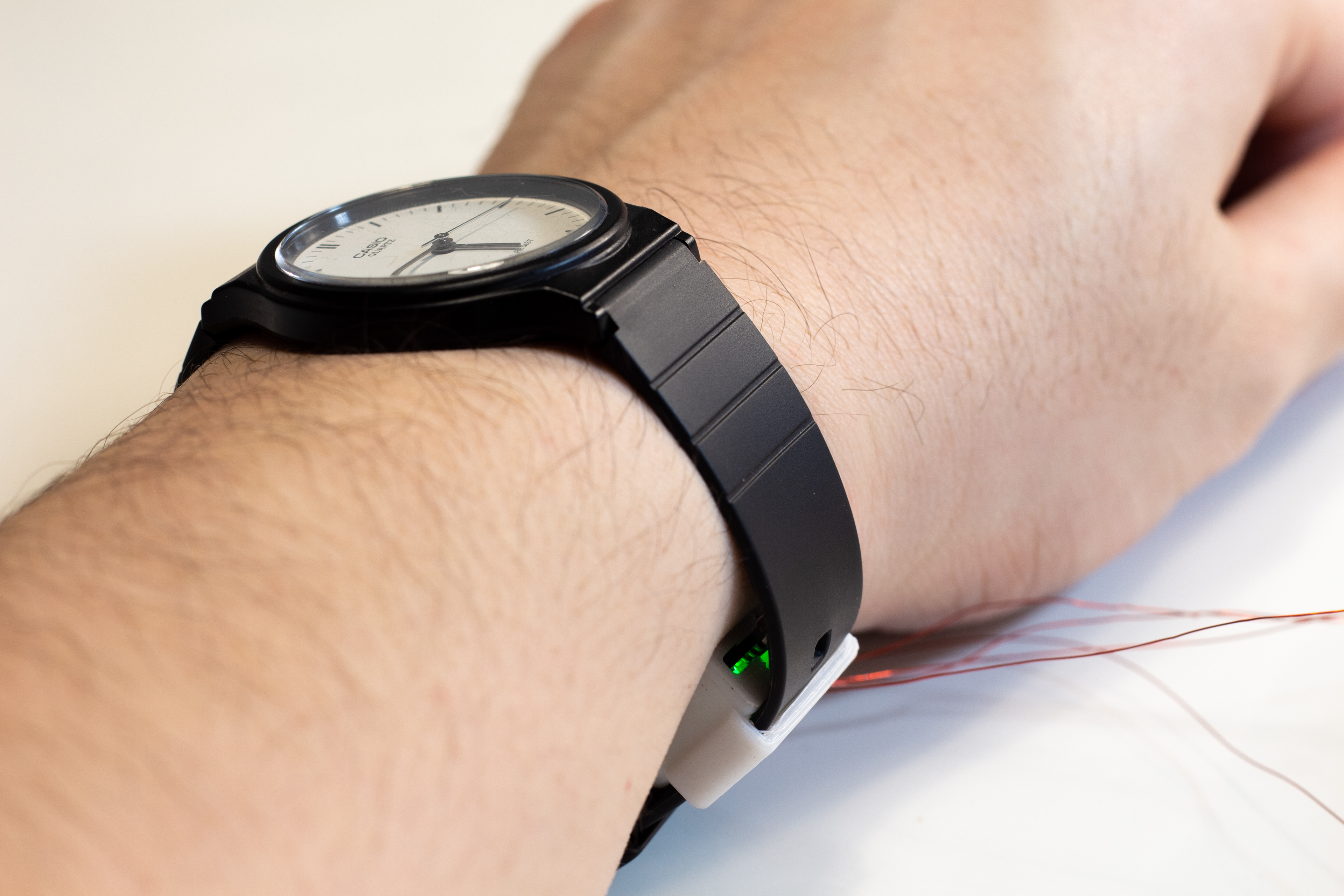
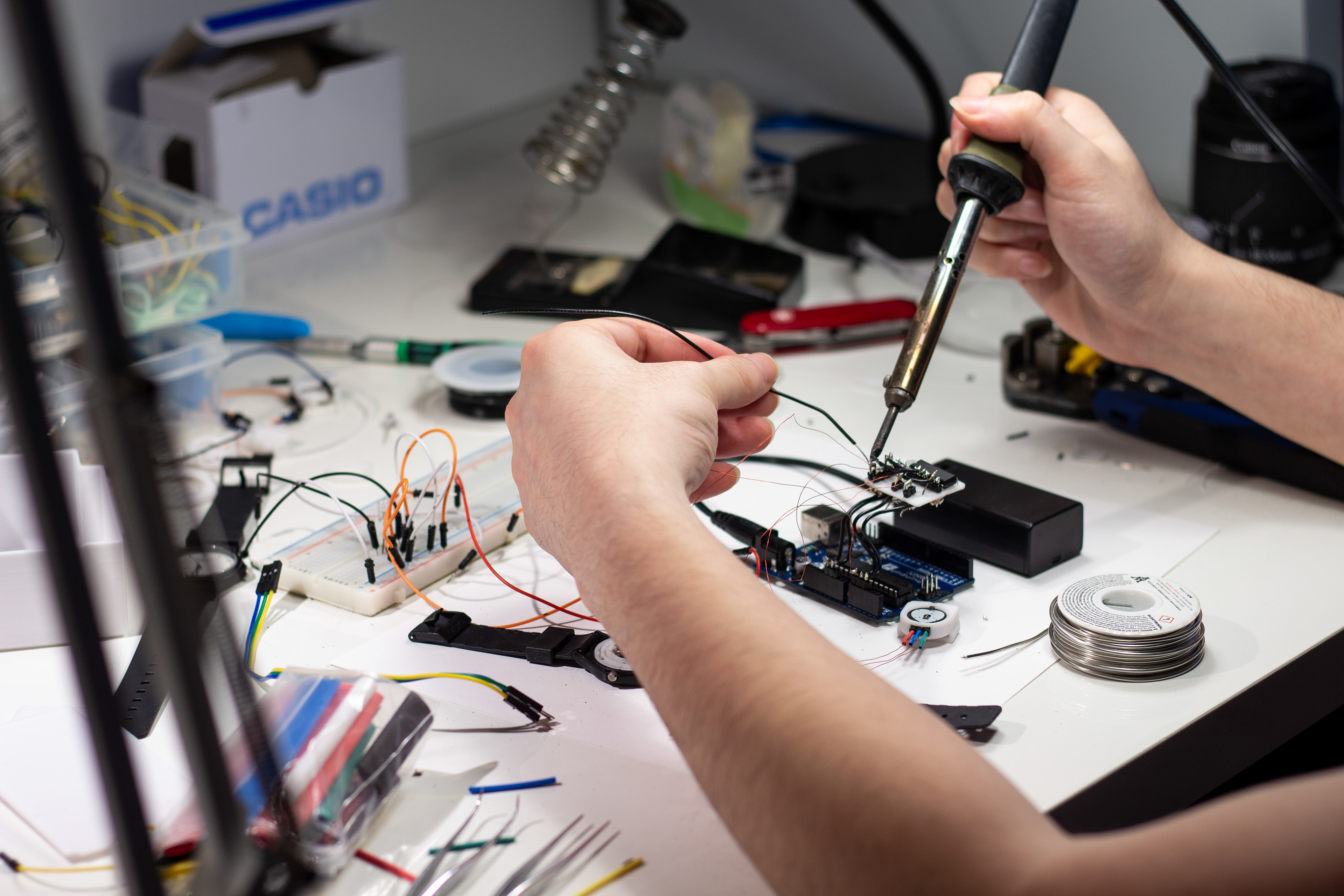
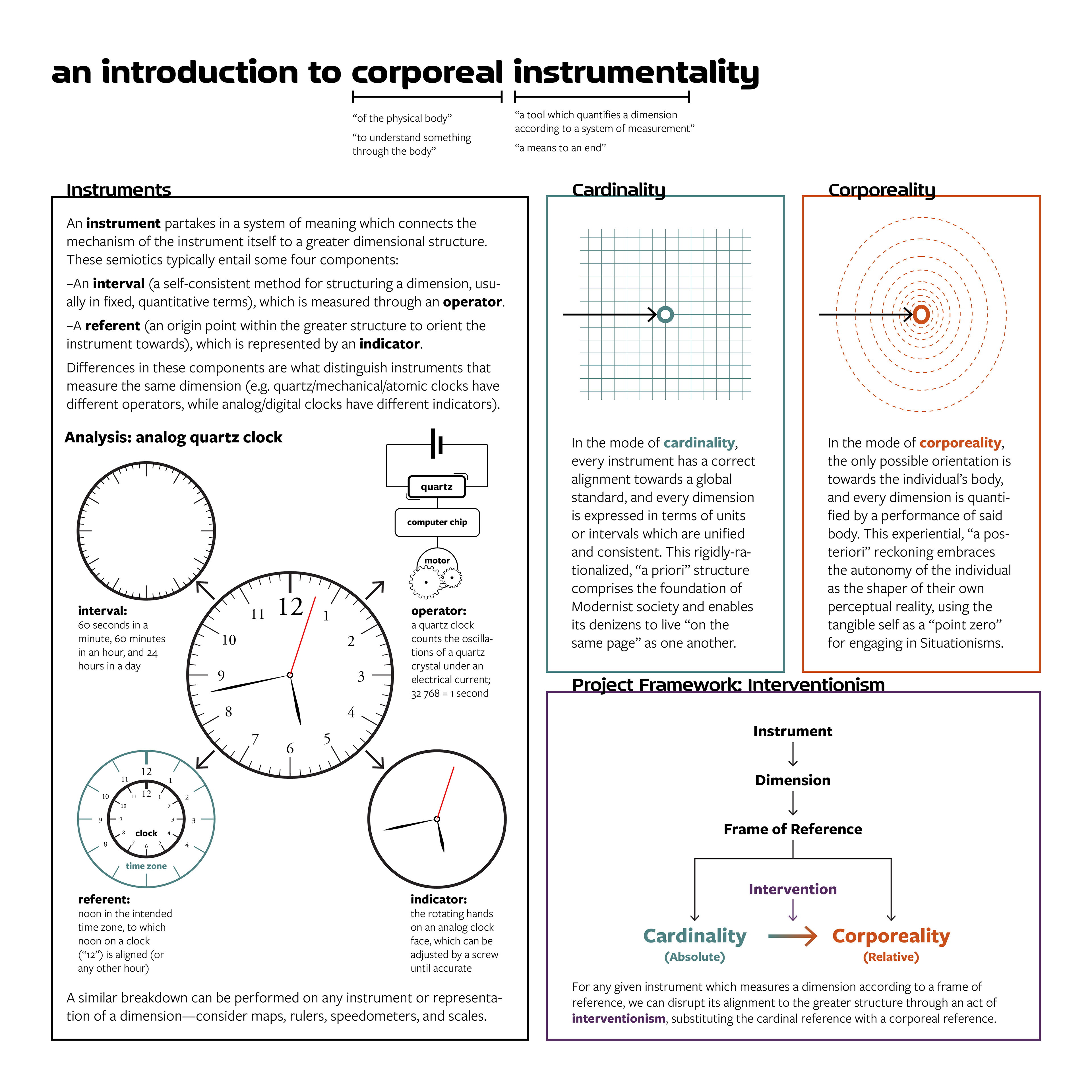
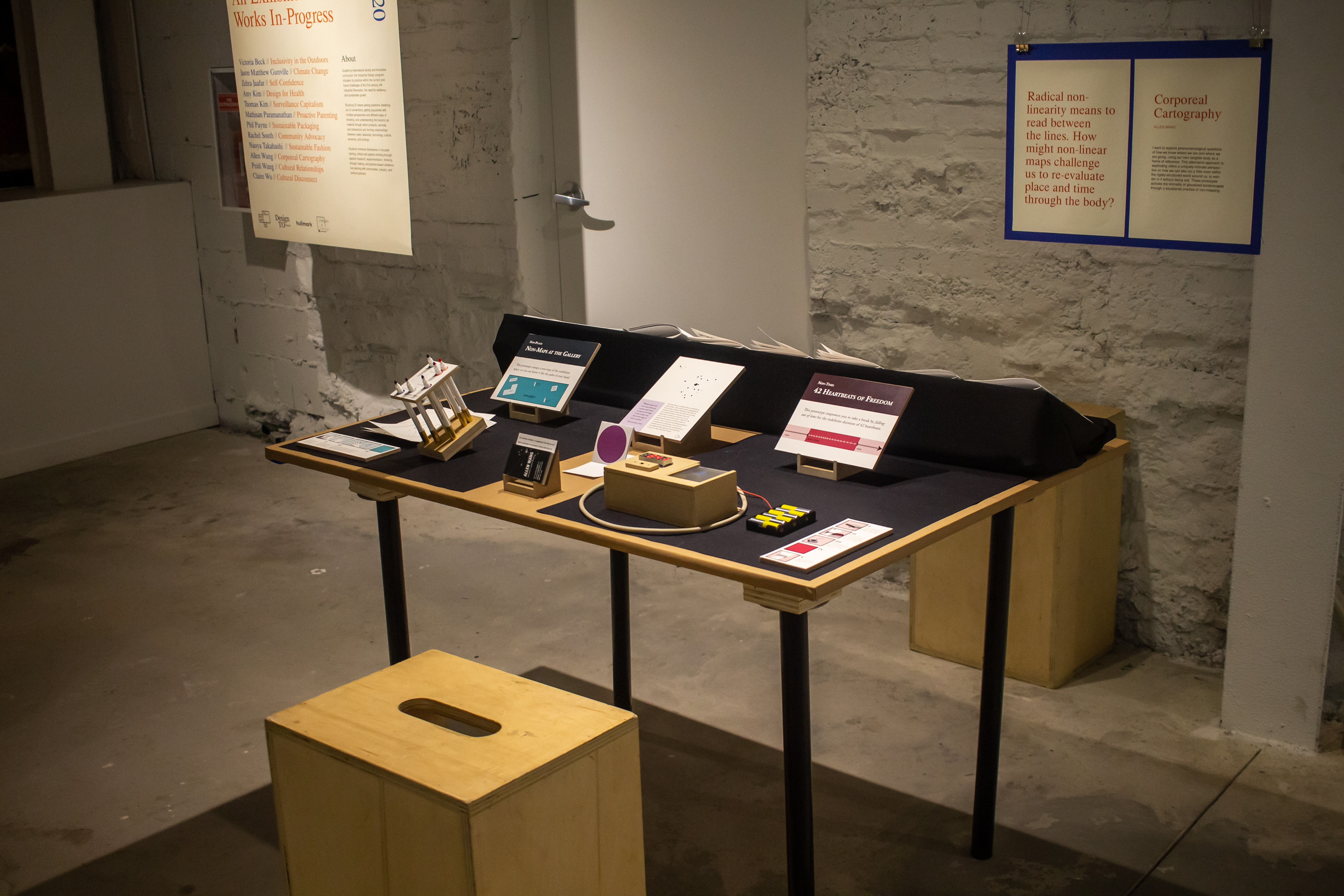
How does our relationship with time change when we measure it not in terms of hours, minutes, and seconds, but in heartbeats? Because we have no innate sense of Cartesian units, we rely on instruments to keep us synchronized. How might we assert the perspective of the individual, to eke out a little room to wander between the lines, to “measure” through the “performance” of our own body? What if your watch looked towards you to tell time? This wristwatch, hacked to advance with the wearer's heartbeat, is one of several prototypes I developed under this manifesto. Exhibited at DesignTO 2020.
A solo, three-instrument recording of Sergei Rachmaninoff's
Piano Concerto No. 2 in C Minor (2023)
Piano Concerto No. 2 in C Minor (2023)
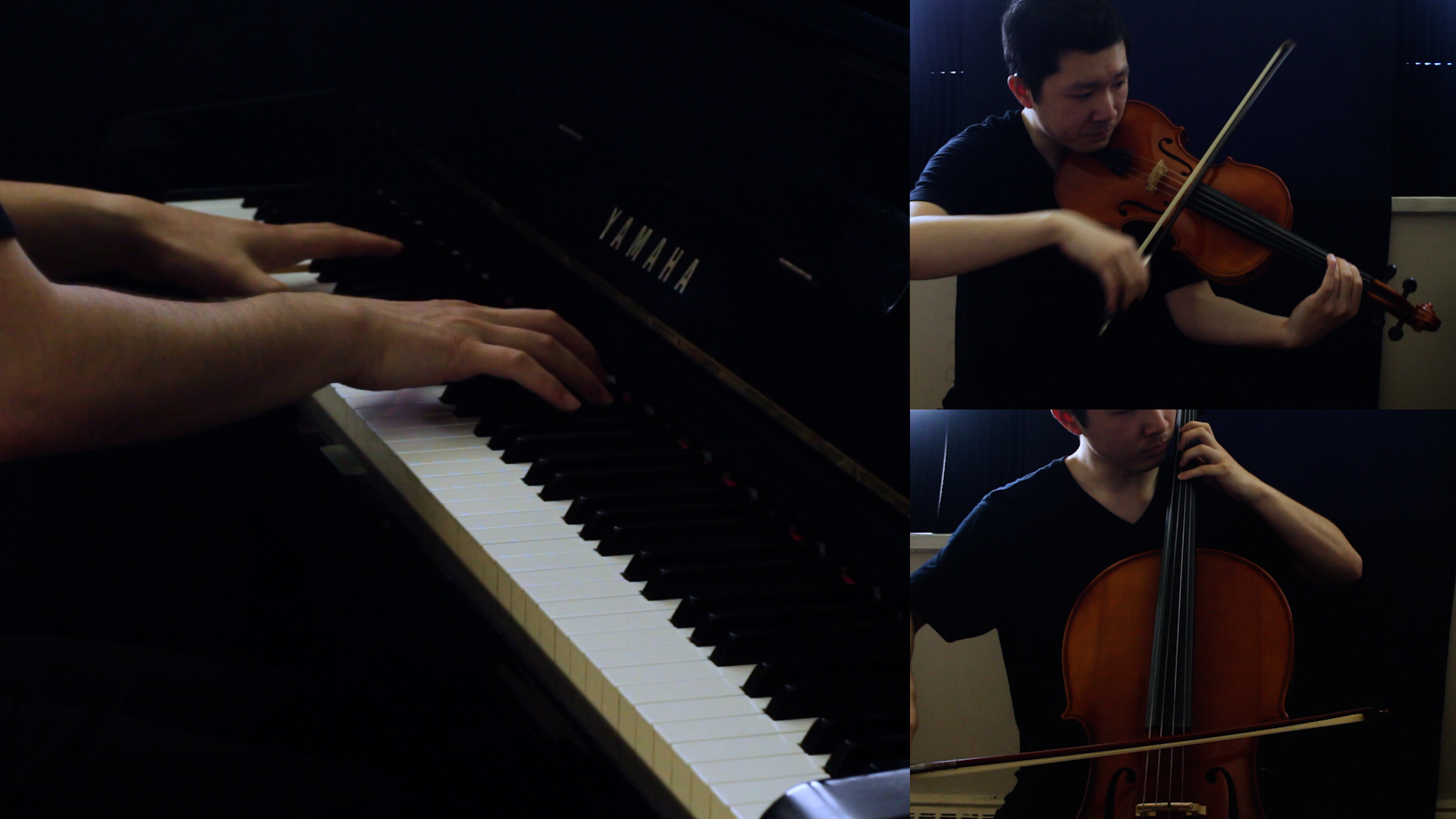
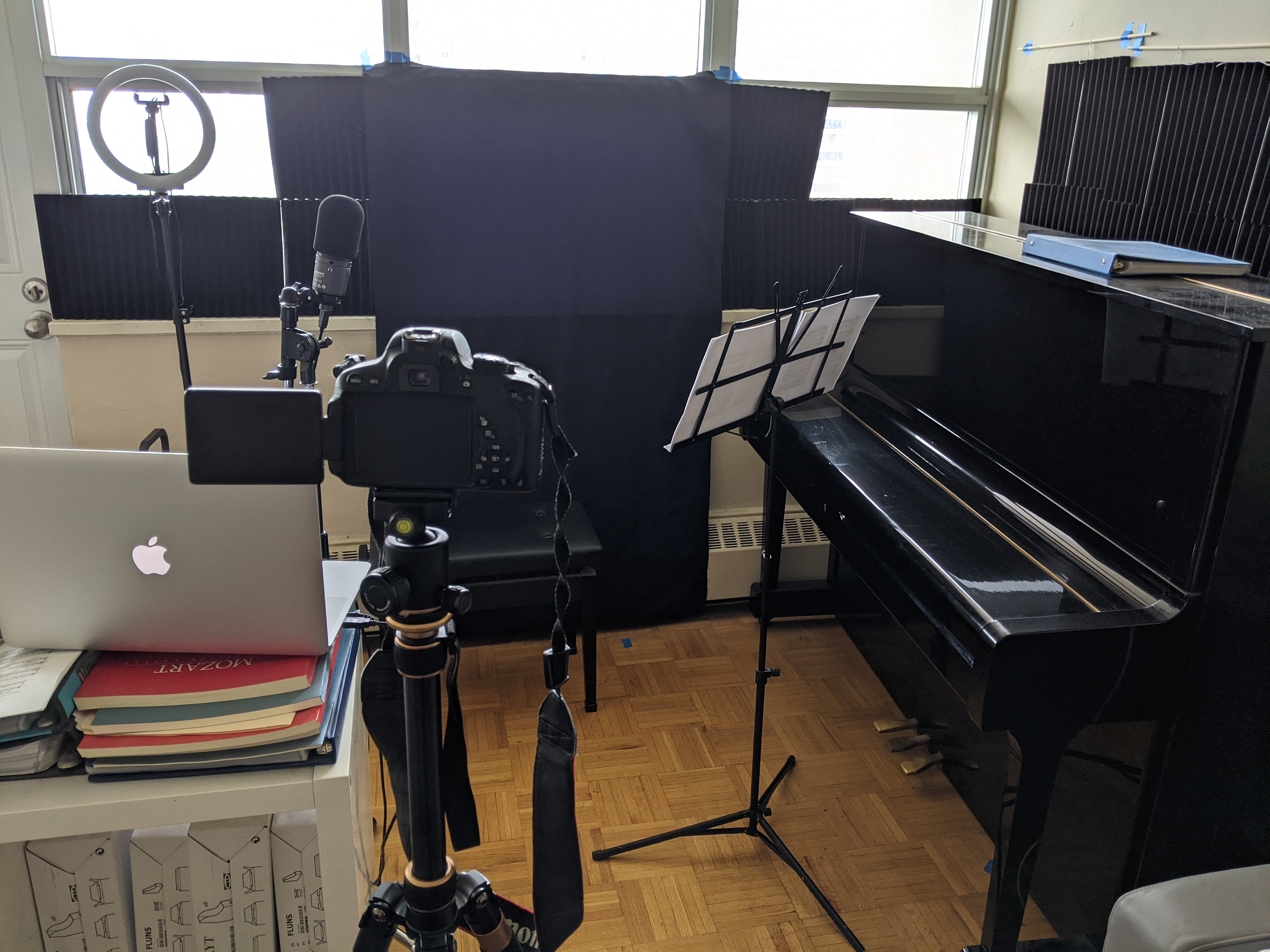
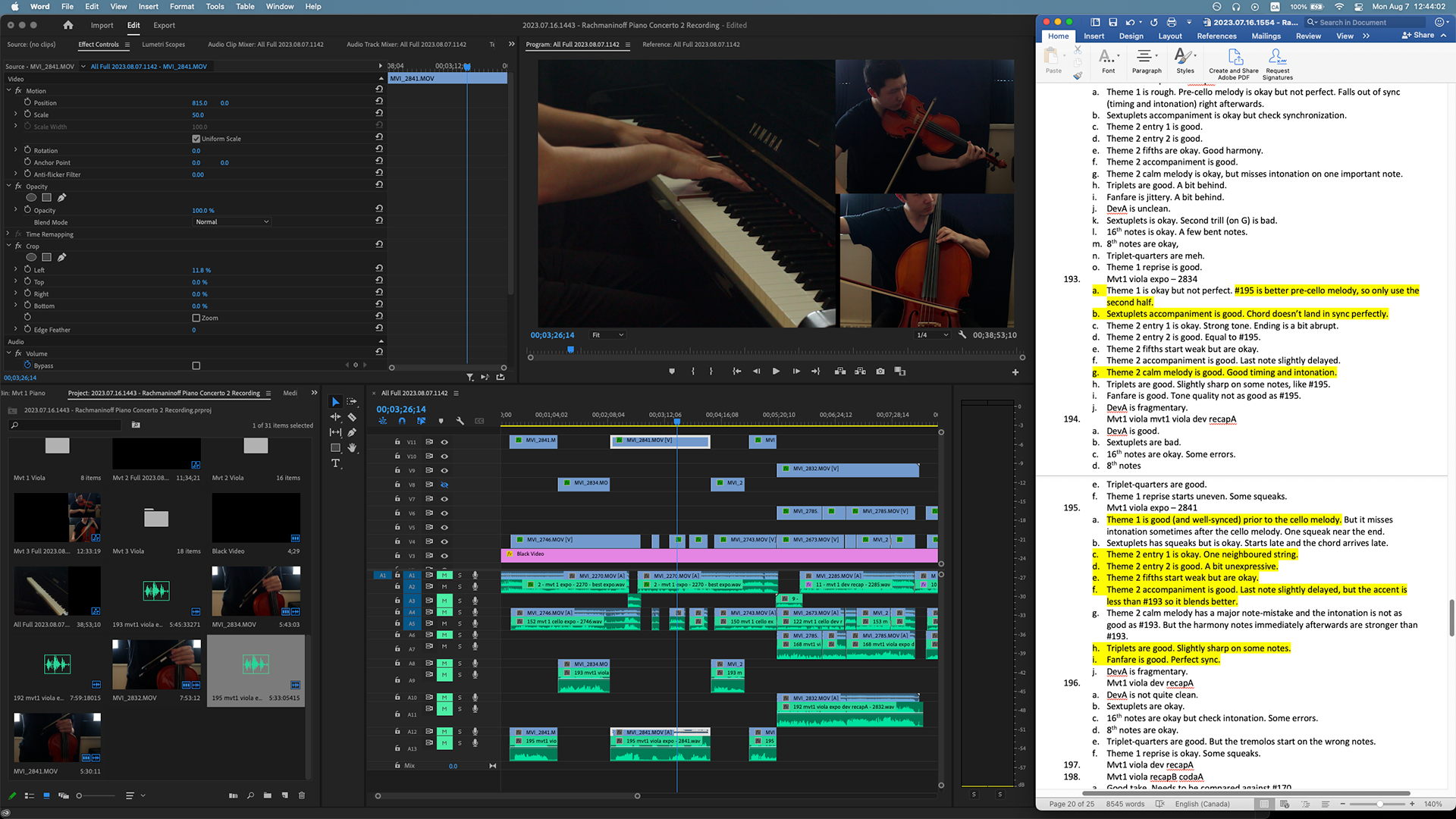
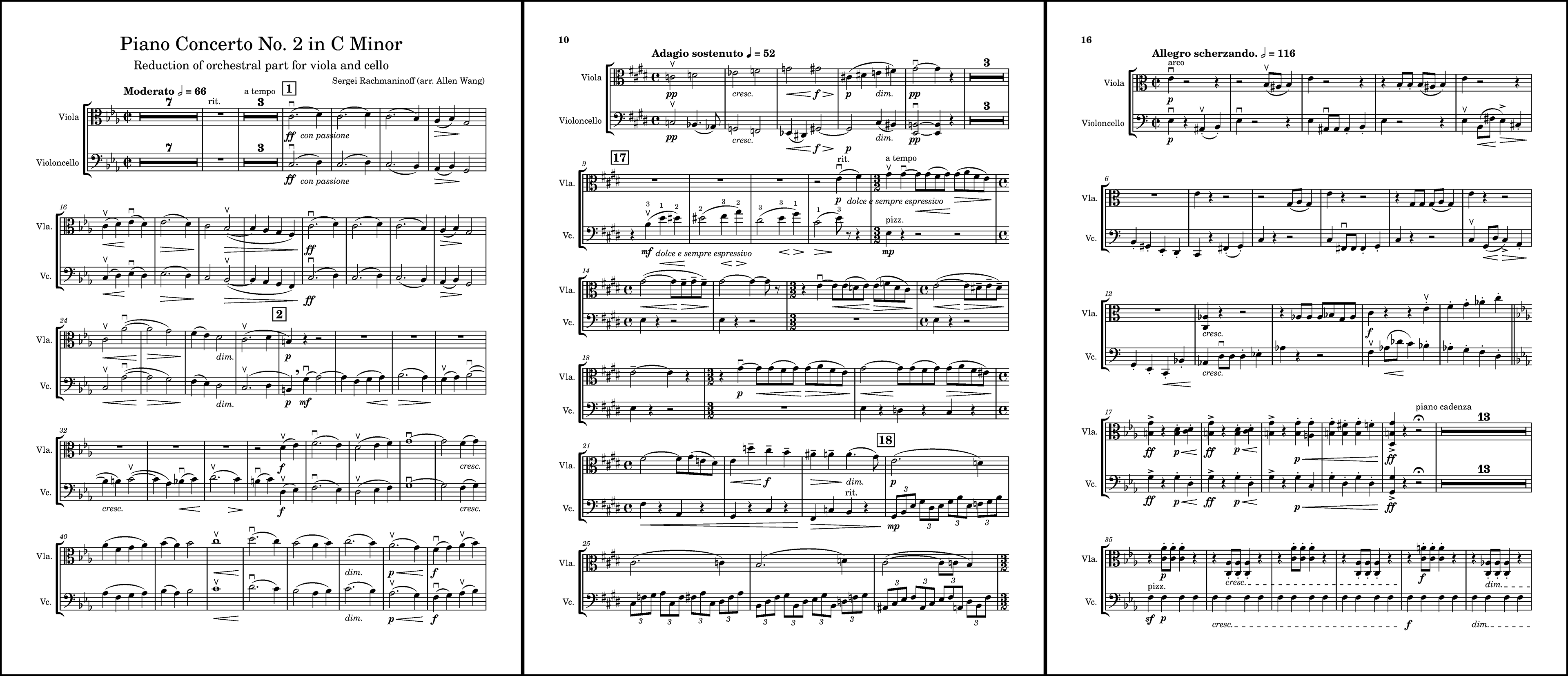
I first heard Rach 2 in fall 2019 as a violist in the University of Toronto Campus Philharmonic Orchestra, and started learning the piano part during the COVID-19 pandemic. In 2023, I recorded myself playing the solo piano part, followed by my two other instruments (cello and viola) playing an original orchestral reduction, then edited the footage together and dabbled in audio mixing, to produce a one-man video of the whole concerto (36+ minutes). See it on YouTube!